Medical Record Reviews: Key Insights for Plastic Surgery Legal Cases

Introduction: Why Medical Record Reviews Matter in Plastic Surgery Legal Cases

Medical record reviews are fundamental to resolving legal cases involving plastic surgery—whether concerning cosmetic procedures, reconstructive surgery for trauma or burns, or claims about surgical results and complications. In the context of Miami’s diverse patient population and high standard for surgical care, a precise, comprehensive review of medical documentation can determine the outcome of malpractice cases, insurance claims, or personal injury litigation.

For patients, record reviews provide a clearer understanding of their surgical journey, the care they received, and any factors that may have influenced outcomes. For attorneys, insurers, and legal professionals, these reviews are essential to building or defending a case with medical precision. As a board-certified plastic surgeon and Plastic Surgery Expert Witness, Dr. Zaydon delivers expert medical record analysis backed by decades of experience, professionalism, and objective advisory services.

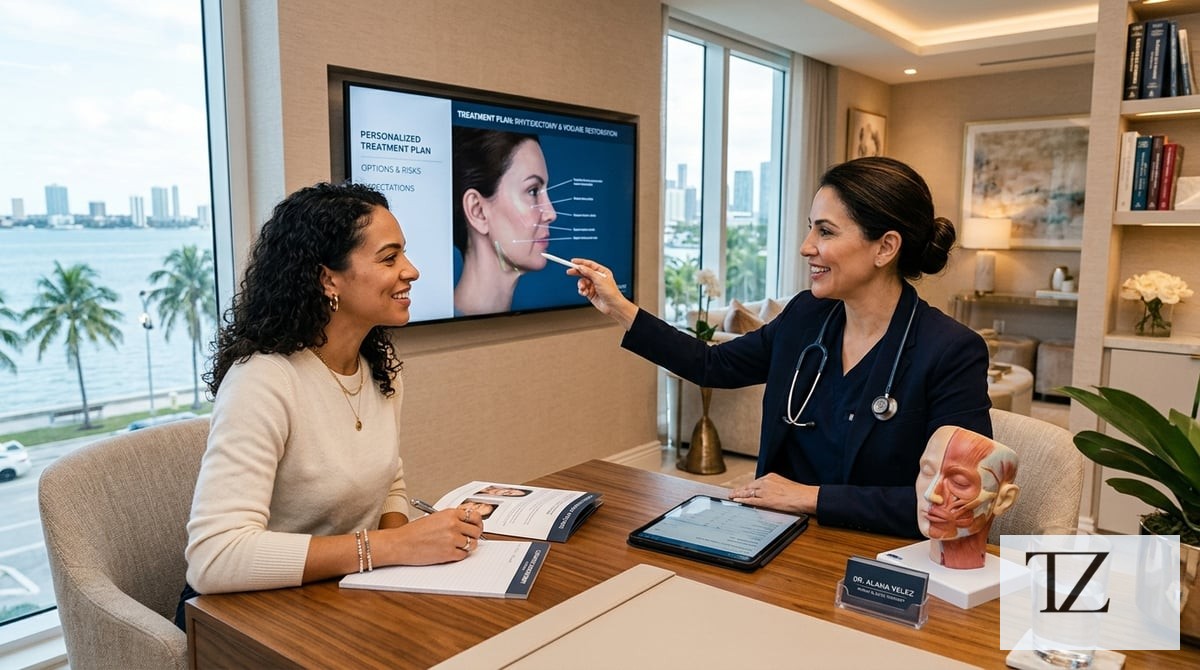
A professional, board-certified plastic surgeon in consultation, reviewing detailed medical records with legal documents on the desk. Miami cityscape

The Role of the Plastic Surgery Expert Witness in Legal Record Reviews

When legal questions arise from plastic or reconstructive surgery, the involvement of a qualified Plastic Surgery Expert Witness is often critical. An expert witness like Dr. Zaydon, who holds board certification with the American Board of Plastic Surgery (ABPS) and is a Fellow of the American College of Surgeons (FACS), assesses the full scope of care documented in records. This includes evaluating the indication for surgery, informed consent, technical details, post-operative management, and any complications.

  • Objective Evaluation: Reviews are always grounded in evidence-based medicine and best practices of the specialty, ensuring a fair assessment for all parties involved. For example, in cases where the outcome of a rhinoplasty is disputed, a systematic review can objectively compare preoperative documentation against accepted procedural standards and patient expectations to determine whether a deviation occurred.
  • Clinical Context: Real-world surgical experience enables the expert to interpret nuanced clinical details and identify deviations from accepted standards of care. For instance, an expert can distinguish between a foreseeable complication—such as capsular contracture after breast augmentation—and an error due to failure to recognize early signs of infection, which warrants a different interpretation in court.
  • Clear Communication: A skilled expert medical advisor translates complex findings into accessible, legally useful insights for attorneys, insurers, and courts. This often means preparing detailed reports, presenting concise depositions, and serving as an effective witness in trial, demystifying complicated surgical notes or terminology for non-medical audiences.

A meticulous expert review strengthens the legal process, clarifies liability, and supports ethical dispute resolution for all. In many cases, the insight provided by an expert witness can be the deciding factor in whether a case proceeds to trial, settles outside of court, or is dismissed.

What Medical Record Reviews Reveal: Core Components in Plastic Surgery Cases

Medical record reviews in plastic surgery focus on evaluating the complete clinical history and identifying any evidence that may influence legal outcomes. The review process examines:

  • Patient Selection and Indications: Was the patient an appropriate candidate for the procedure? Was the indication (cosmetic enhancement or reconstructive need) clearly documented? For example, in a case involving a tummy tuck (abdominoplasty), it is important to see documentation of preoperative health evaluations, such as BMI, comorbidities, and the patient’s motivation—whether functional or aesthetic.
  • Informed Consent: Did documentation reflect that the patient understood risks, benefits, and alternatives before surgery? This includes detailed preoperative conversations, handouts provided, and signed consent forms that reference procedure-specific risks, such as asymmetry or anesthesia complications.
  • Surgical Technique and Details: How was the procedure performed—does the record align with accepted surgical standards and Dr. Zaydon’s extensive clinical experience? Comprehensive surgical notes should include type of anesthesia, step-by-step actions, specific materials (implants, sutures), and intraoperative findings, which are all relevant in malpractice claims.
  • Postoperative Care: Does follow-up documentation show appropriate monitoring, complication management, and patient communication? Ideally, there should be multiple dated progress notes, wound assessments, and clear communications about warning signs or restrictions provided to the patient. Any interventions, such as drainage of a hematoma or unplanned reoperation, should be meticulously logged.
  • Complications and Outcomes: Are complications, such as infection, unsatisfactory results, or prolonged recovery, fully recorded and addressed? For instance, if a patient experiences delayed wound healing, the record should detail the timeline of events, diagnostic tests performed (like wound cultures), and all treatments provided.

A detailed medical record review provides an objective, fact-based timeline. This clarity supports decision-making in cases involving plastic surgery for burns, reconstructive surgery after trauma, or claims related to plastic surgery for scars. Legal teams often rely on these records to determine causality—for example, whether a burn patient’s contractures were inevitable due to the severity of injury or resulted from delayed surgical intervention. Similarly, in scar revision litigation, preoperative and postoperative photographs and their corresponding documentation can be pivotal in assessing both the necessity and the success of the procedure.

A legal and clinical review session showing detailed medical photographs of burn injuries and surgical results, overlayed with official medical

Medical Record Reviews for Specific Procedures: Burns, Scars, and Reconstructive Surgery

Plastic surgery legal cases frequently involve highly specialized procedures—such as plastic surgery for burns, scar revision, and complex reconstructive surgery—which all require nuanced medical record evaluation. Expert review considers the specific context of each case, for example:

  • Burn Reconstruction: Documentation should show initial burn severity, rationale for surgical timing, grafting techniques, and long-term rehabilitation plans. For instance, a comprehensive record might include serial photos of burn depth, operative reports noting type and source of skin grafts, and rehabilitative care notes detailing physical therapy to restore limb function. Insurance companies and courts often scrutinize whether the initial phase of burn wound care followed recognized burn center protocols.
  • Scar Revision: For claims around plastic surgery for scars, the record must describe the original injury, scar maturation, revision methods, and expected outcomes documented by the surgeon. This could include photographic timelines, preoperative counseling about limitations of revision surgery, and postoperative instructions—demonstrating whether realistic expectations were set and met. If a patient alleges that a keloid repair led to disfigurement, evidence of the scar’s appearance and history is critical.
  • Workplace or Accident-Related Cases: In reconstructive cases under workers’ compensation, meticulous documentation of injury mechanism, functional impairment, and treatment goals is essential. As an example, workers injured on a job site may require not only tissue reconstruction but also documentation of nerve injury, loss of motion, or sensory deficits, all annotated in both physician and physical therapy notes. These details are critical in disability determinations, benefit eligibility, and future care planning.

Whether addressing a personal injury claim or a dispute over surgical results in the Miami, Florida area, comprehensive documentation—paired with expert interpretation—ensures ethical, well-supported legal decisions. An expert advisor can explain the complexities of reconstructive choices, detail expected versus suboptimal outcomes, and comment on the adequacy of both acute and long-term care from a clinical and legal perspective.

Expert Medical Advisor Services and Best Practices in Record Reviews

An experienced expert medical advisor brings structure, objectivity, and clinical insight to medical record reviews. Dr. Zaydon draws on over 20 years of surgical leadership and recognized credentials—including his roles in peer review and speaking engagements—to ensure each report meets the highest ethical and scientific standards.

  • Impartiality: Successful Medical Record Review Services demand an unbiased approach, regardless of the client’s legal position. For example, careful documentation of both positive and negative findings—such as appropriate surgical planning alongside missed opportunities for intervention—builds trust with all parties and supports credibility in court.
  • Precision: Accurate use of clinical terminology, reference to standard protocols, and thorough review of operative notes set the foundation for credibility. Detailed analysis may reference published clinical guidelines or recent peer-reviewed literature, contextualizing the care delivered in each unique case. This level of rigor is especially important when procedures are uncommon or when newer surgical techniques are involved.
  • Communication: Translating highly technical surgical findings into understandable guidance helps legal teams, insurance providers, and patients navigate complex decisions. This often requires creation of visual diagrams, side-by-side photographic comparisons, or concise summaries for laypersons, ensuring that the technical aspects of a case are fully understood by all stakeholders.

Patients, attorneys, and adjusters working with an expert medical advisor benefit from enhanced clarity, transparent recommendations, and streamlined litigation processes. For example, an attorney may use an expert report not only for internal case analysis but also as a tool in mediation or settlement discussions, making the medical facts more accessible and compelling. For more about Dr. Zaydon’s practice and professional standards, visit the Dr Zaydon biography page.

Disclaimer: This article is for educational purposes only and should not be interpreted as legal or individualized medical advice. For personal recommendations or urgent concerns, please seek direct consultation with a qualified plastic surgeon.

Key Takeaways and Next Steps

Medical record reviews play a crucial role in legal cases involving plastic surgery, from elective cosmetic work to reconstructive surgery for scars or burns. Accurate, objective analysis is essential for patients, legal professionals, and insurers to ensure transparent, fair proceedings and the highest standard of care. Dr. Zaydon’s recognized expertise as a Plastic Surgery Expert Witness and consultant ensures every review combines surgical precision with clear, practical guidance.

If you need a comprehensive record review or expert witness consultation in Miami, Florida, or nearby areas, schedule a confidential appointment with Dr. Zaydon today. You can learn more about qualifications, reviews, and specialized procedures such as plastic surgery for burns and plastic surgery for scars through the practice website.

Contact Dr. Zaydon’s office to request a consultation and discover how expert Medical Record Review Services can support your case or care journey.

Common Questions

Why are medical record reviews important in plastic surgery legal cases?

They provide an objective analysis of care, helping to clarify liability, standard of care adherence, and outcomes in both cosmetic and reconstructive procedures.

What types of records are most critical in these reviews?

Essential records include preoperative evaluations, informed consent forms, operative notes, postoperative follow-up entries, photographs, and documented complications or communication.

Who typically conducts medical record reviews for legal cases in Miami?

Board-certified plastic surgeons with expertise in both clinical and legal aspects, like Dr. Zaydon, are often selected as expert medical advisors and witnesses.

How can a patient or attorney request a medical record review?

Contacting a reputable provider such as Dr. Zaydon’s practice allows patients, attorneys, or insurers to formally request a review and expert consultation.

Can medical record reviews impact settlement or trial outcomes?

Yes, well-documented and expertly reviewed records can be pivotal in supporting or defending claims, influencing negotiation and judicial decisions.

This article was created with the help of AI. Images may also be AI-generated.
Complications in Reconstructive Surgery: Expert Analysis for Claims

Understanding Complications in Reconstructive Surgery: Why Expert Analysis Matters

Reconstructive surgery can transform lives after trauma, burns, or disease, restoring both appearance and function. However, like all surgical procedures, it carries risk. Complications such as infection, delayed healing, poor cosmetic outcomes, or recurring scarring can impact patient recovery and long-term satisfaction. In Miami and across South Florida, patients and legal professionals increasingly seek advanced care and clear guidance when these challenges arise.

For patients considering reconstructive procedures—whether for burns, scar revision, or post-traumatic repair—understanding potential complications is vital for informed consent and realistic expectations. For attorneys, risk managers, and insurers, expert analysis is essential to fairly assess claims related to surgical outcomes or complications. Dr. Zaydon, a board-certified Plastic Surgery Expert Witness with more than 20 years of experience, provides trusted insight for both clinical care and legal review.

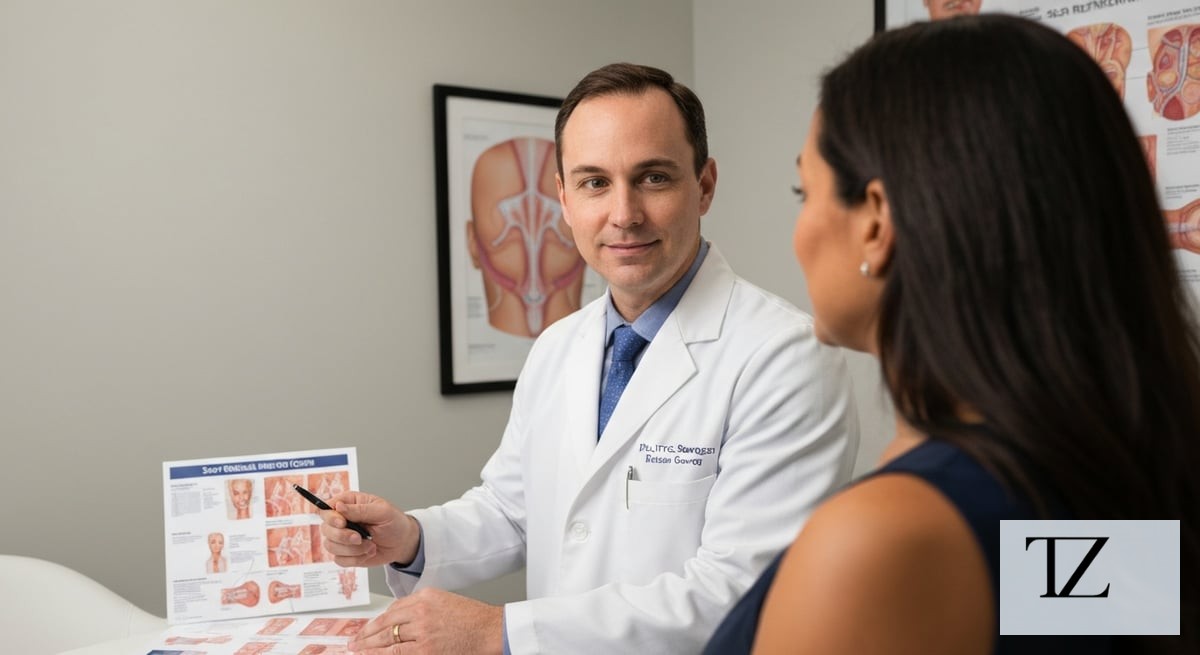
A medically realistic image of a plastic surgeon in Miami consulting with a patient, showing charts

Types of Complications in Reconstructive Surgery

Reconstructive surgery encompasses a wide range of procedures, including plastic surgery for burns, trauma repair, and plastic surgery for scars. Each type of surgery carries its own spectrum of potential complications. Some of the most commonly encountered issues include:

Expert analysis by a board-certified plastic surgeon ensures that complications are properly identified, documented, and managed, providing clarity for both patient care and legal claims. Reviewing the timing of complications and their specific manifestations is vital in distinguishing expected risks from preventable outcomes, which is essential for legal and insurance evaluation.

Assessing Causation: How Expert Medical Advisors Provide Clarity for Claims

When complications arise after reconstructive surgery, determining their cause is central in both patient care and medical-legal claims. For attorneys and insurance professionals, disputes often focus on whether outcomes were the result of standard risks or the consequence of errors, pre-existing conditions, or other factors.

An expert medical advisor like Dr. Zaydon, who holds board certifications (ABPS, FACS) and is a member of respected surgical societies (ASPS, ASAPS, ACS), applies clinical and legal standards to review cases. This process may involve a detailed Medical Record Review Service to evaluate operative reports, photographs, and postoperative progress. The goal is to provide impartial, fact-based opinions that support fair resolution of claims.

Expert analysis considers patient factors (such as underlying health, trauma severity, or wound environment), surgical technique, and post-operative care, ensuring a comprehensive picture of causation and appropriate care. Dr. Zaydon’s experience in the Miami region, including neighborhoods such as Coral Gables and Coconut Grove, has established his reputation as a trusted resource for both clinical guidance and legal testimony.

For example, in legal claims surrounding surgical wound breakdown, the medical advisor will examine whether appropriate sterilization, suture techniques, and postoperative instructions were followed. They may also assess if patient non-compliance, such as failing to attend follow-up appointments or disregarding activity restrictions, contributed to adverse outcomes. This multifaceted approach distinguishes between complications arising from unavoidable risk and those linked to substandard care. In product liability cases—for instance, involving failed implants or device malfunctions—experts review operative notes and manufacturer information to help determine causation precisely. Ultimately, a thorough causation assessment forms the backbone of fair settlements and evidence-based practice improvements, benefiting both patients and providers.

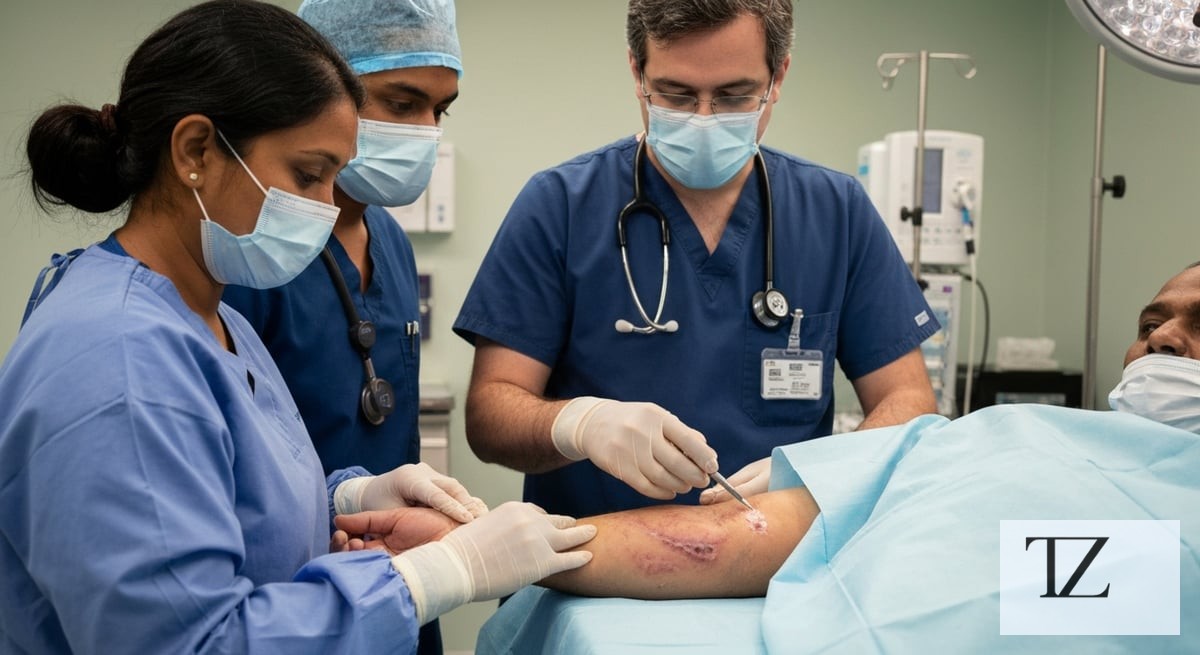
Clinical photo-realistic depiction of burn and scar reconstruction, showing medical staff caring for

Risk Factors: Patient and Procedural Variables in Reconstructive Surgery Outcomes

Every reconstructive surgery patient presents a unique combination of risk factors that can influence the likelihood of complications. Variables such as age, overall health, smoking status, medication use, and the nature of the injury (burns, trauma, or chronic wounds) all play a role in healing and final results. Surgical complexity, the region of the body involved, and prior surgeries are also significant considerations.

For example, plastic surgery for scars following burns may be complicated by fragile skin and altered blood supply. Patients with chronic illnesses or immune disorders typically require more intensive monitoring. Understanding these variables allows for tailored surgical planning and robust informed consent discussions, helping set realistic expectations for patients and clarity in legal reviews.

Other risk factors include the use of certain medications (e.g., corticosteroids, chemotherapy agents), which can suppress the immune response and delay healing. Malnutrition—sometimes overlooked—has a significant impact on tissue recovery, especially after major trauma or burn injuries. Lifestyle factors, such as excessive alcohol consumption, can further diminish healing capacity. Previous radiation treatment to the operative area may impair blood flow and increase the likelihood of wound complications.

Additionally, the experience and technique of the surgical team play a direct role. Studies have shown that surgeries performed in accredited centers with multidisciplinary teams are associated with lower rates of complications and improved outcomes. Therefore, a board-certified surgeon’s ability to assess and modify interventions based on documented risk factors contributes greatly to patient safety and optimal results. In the realm of legal claims, accurately accounting for these variables is essential to determine whether complications were preventable or an expected part of the healing process.

Expert witness analysis is essential in determining whether an adverse outcome was a recognized risk or the result of avoidable error, guiding fair claims assessment and future quality improvement.

Plastic Surgery Expert Witness: Role in Legal Claims and Insurance Cases

In reconstructive surgery claims, a Plastic Surgery Expert Witness serves a critical role. The expert's unbiased evaluation supports courts, attorneys, and insurers in understanding the medical realities of complications, distinguishing expected risks from deviations in care. This expertise is equally valuable for workers’ compensation, personal injury, and medical malpractice litigation.

Board-certified surgeons who act as expert witnesses must maintain high ethical standards, transparency, and clear communication. Dr. Zaydon’s long-standing reputation is grounded in his clinical acumen, leadership roles, and his status as a Fellow of the American College of Surgeons. His testimony and reports adhere to the highest standards, often providing the decisive analysis necessary to resolve complex cases involving reconstructive surgery, including plastic surgery for burns and scar revision procedures.

The process begins with a comprehensive review of all available documentation, including preoperative assessments, intraoperative notes, and postoperative progress. Experts may also interview treating providers or conduct independent medical exams if needed. For instance, in a personal injury case involving facial trauma, the expert may be asked to comment on the adequacy of facial reconstruction, the expected long-term effects, and the appropriateness of additional surgeries. In workers’ compensation cases, clarifying whether a scar or functional impairment meets statutory definitions of permanent disability is often central to claim determination.

A thorough, trusted medical record review by an experienced expert ensures every claim receives a fair, evidence-based evaluation. By articulating the standard of care and contextualizing complications, expert witnesses support resolution through mediation, trial, or settlement, ultimately promoting better outcomes for claimants, providers, and the legal system.

Prevention and Patient Safety: Setting Expectations and Best Practices

Patient safety begins before surgery, with comprehensive preoperative assessments and clear, honest discussions about risks, benefits, and expectations. Board-certified surgeons like Dr. Zaydon employ strategies to mitigate complications, including adhering to sterile technique, utilizing advanced wound care, and customizing surgical approaches to each patient’s needs. Education about proper wound care, activity restrictions, and signs of complications further empowers patients after they leave the operating room.

Comprehensive patient education can make a significant difference in outcomes. Providing written instructions, demonstrating wound care techniques, and scheduling early follow-up visits help patients recognize early warning signs of infection, hematoma, or delayed healing. Surgeons may advise modifications in medications such as pausing blood thinners or optimizing diabetic control before proceeding with surgery to improve recovery. Preventative measures could include preoperative antibiotic prophylaxis, careful operative planning to minimize tissue trauma, and use of minimally invasive techniques where possible.

For those in the Miami area, access to a highly experienced, recognized plastic surgeon ensures that complications, should they occur, are managed promptly and properly. Transparent communication helps build trust and supports the highest standards of care—principles that hold equally true for clinical patients, legal professionals, and insurance carriers seeking authoritative opinions.

Institutions committed to safety also continually review outcomes through quality assurance programs, peer review, and ongoing education of their surgical staff. This culture of continuous improvement furthers the adoption of best practices, leading to lower complication rates and higher patient satisfaction.

Disclaimer: This content is for informational purposes only and should not replace in-person consultation with a licensed, board-certified plastic surgeon. Outcomes vary by individual and procedure. If you experience concerning symptoms after surgery, seek immediate medical attention.

Take the Next Step: Expert Guidance with Dr. Zaydon

Whether you are a patient seeking the highest standards in reconstructive care, an attorney needing precise medical input for a claim, or an insurance professional requiring an independent review, specialized expertise is essential. Dr. Zaydon’s extensive experience in reconstructive surgery and his steadfast commitment to safety, transparency, and patient-focused care make him a trusted leader in the Miami and South Florida community.

Dr. Zaydon’s practice encompasses a variety of complex reconstructive cases, including facial reconstruction following traumatic injury, treatment of challenging burn scars, and repair of complications from prior surgeries. Patients benefit from his careful approach that emphasizes not just medical excellence, but also clear explanations and shared decision-making. For legal and insurance professionals, Dr. Zaydon provides thorough, comprehensible analyses, effectively communicating medical truths to audiences unfamiliar with surgical nuances.

For personalized consultation, independent medical examination, or expert witness analysis, contact Dr. Zaydon today. Begin your path to reassurance, clarity, and optimal outcomes by booking an appointment or submitting your case for review.

Schedule your consultation or discover more about Dr. Zaydon’s credentials and services.

Common Questions

What are the most common complications in reconstructive surgery?

The most common complications include infection, delayed healing, excessive scarring, loss of function, and implant-related issues. Each type of reconstructive surgery carries specific risks that should be thoroughly discussed with your plastic surgeon. How does a plastic surgery expert witness help with legal claims?

A plastic surgery expert witness reviews medical records, evaluates surgical outcomes, and provides impartial, evidence-based opinions to clarify whether a complication stems from standard risks or deviation from accepted care. What role does the patient's health play in complication risks?

Underlying health conditions such as diabetes, smoking, and immune disorders increase the likelihood of complications in reconstructive surgery. Surgeons should assess these risks during preoperative planning. Can complications be prevented in reconstructive surgery?

While not all complications can be prevented, careful preoperative assessment, patient education, sterile surgical technique, and tailored aftercare all reduce risks and support better outcomes. What if I have a claim involving plastic surgery for burns or scars?

Consult a board-certified plastic surgeon experienced in expert witness work, such as Dr. Zaydon in Miami. An expert can conduct a thorough review to determine whether care met accepted standards and advise on next steps.

This article was created with the help of AI. Images may also be AI-generated.
Educating on Standards: Plastic Surgery CME for Ethical Practice

Introduction: The Role of CME in Plastic Surgery and Ethical Practice

Plastic Surgery Expert Witness and board-certified plastic surgeons are held to the highest standards of patient safety, ethical conduct, and technical skill. Central to maintaining these standards is Continuing Medical Education (CME), which ensures that surgeons remain current with evolving techniques, regulations, and ethical mandates across fields, from plastic surgery for burns and scars to the latest in reconstructive surgery. For adults seeking cosmetic or reconstructive results in Miami—whether for aesthetic improvements or to address trauma—CME is a behind-the-scenes guarantee of a surgeon’s dedication to safety and ethical care. For legal and insurance professionals, it ensures expertise in roles such as Plastic Surgery Expert Witness or expert medical advisor. Every year, CME helps surgeons like Dr Zaydon, MD, FACS, maintain excellence, achieve recertification, and demonstrate commitment to both patients and the broader medical-legal community.

For example, when a new laser resurfacing technique is introduced or an updated protocol for wound closure becomes standard, CME modules and seminars allow plastic surgeons to quickly incorporate this knowledge into their practice, reducing the risk of complications and improving patient outcomes. In legal or insurance cases, this ongoing education enables surgeons to provide the most current, reliable opinions, which can be crucial when reviewing liability in a malpractice claim or determining if a certain surgical approach met the contemporary standard of care. By demanding that medical professionals never stop learning, CME fosters a culture of accountability, safety, and innovation within plastic surgery.

Disclaimer: This article is for informational purposes only and does not replace medical advice. See a qualified surgeon like Dr. Zaydon for individual evaluation.

A professional plastic surgeon attending a continuing medical education seminar with peers, clinical

What is CME? Elevating Surgical Expertise and Ethical Standards

Continuing Medical Education (CME) comprises structured educational activities that support lifelong learning for physicians. In the field of plastic surgery, CME extends beyond procedural updates; it encompasses ethical decision-making, best clinical practices, and the regulatory frameworks that underpin trust between doctor and patient. Surgeons in Miami and beyond are required to complete CME to maintain their active board certifications and medical licenses.

To the patient or legal professional, CME demonstrates a surgeon’s relentless pursuit of clinical excellence and ethical integrity in every aspect of cosmetic and reconstructive practice.

For instance, CME may include hands-on workshops for new microsurgical techniques, symposiums detailing recent FDA regulations affecting implantable devices, or online courses focused on cultural sensitivity in patient evaluation. Attending national and international conferences provides opportunities for surgeons to interact with peers, learn about innovative surgical tools, and discuss challenging cases in a collaborative environment. CME credits also cover training in emerging technologies, such as 3D imaging and simulation for surgical planning, which greatly enhance precision, patient safety, and satisfaction. Through these diverse offerings, CME not only meets regulatory requirements but elevates each surgeon’s skill set and ethical awareness, resulting in better care for Miami patients and more informed legal assessment.

CME and Ethical Care in Cosmetic and Reconstructive Plastic Surgery

Plastic surgery is as much about ethics as it is about technical expertise. Surgeons providing plastic surgery for burns, trauma-related injuries, or cosmetic enhancements must navigate complex scenarios—from informed consent to ensuring procedures align with patient goals and emotional health. CME programs are essential for reinforcing these ethical standards. Through case-based learning and updated guidelines, CME helps surgeons put patient safety, informed decision-making, and transparent communication at the forefront of every procedure.

For patients in Miami, including those in South Beach, Coral Gables, Aventura, and Coconut Grove, this commitment to CME translates to safe, compassionate care whether seeking reconstructive surgery after an accident or pursuing an elective cosmetic procedure. For legal or insurance professionals utilizing Plastic Surgery Expert Witness or Medical Record Review Services, CME ensures opinions and assessments rest on the most current, objective, and ethically sound medical evidence.

By aligning technical skill with ethical grounding, CME upholds the reputation and trustworthiness of surgeons like Dr Zaydon, who are sought out across Miami and South Florida for their leadership and integrity.

For example, CME may highlight scenarios where a patient requests an elective procedure that may not be medically appropriate; these modules train surgeons to evaluate psychological readiness, clarify realistic outcomes, and, where needed, refer to mental health professionals. CME also introduces surgeons to best practices regarding pain management and opioid prescribing, statistics on post-surgery complications, and evolving trends like minimally invasive surgery. With rising awareness of cultural competence, CME offerings now include instructions for improving communication with diverse populations, addressing language barriers, and ensuring equity in care regardless of a patient's background. In the ever-changing landscape of medical ethics and law, CME serves as a touchstone for surgeons, emphasizing that patient welfare and clear, honest explanations must come before marketing or financial incentives. In legal contexts, CME-trained expert witnesses are able to articulate the nuances of ethical dilemmas, strengthening the credibility of their testimony.

CME in Practice: Protecting Patients and Supporting the Legal Community

The practical impact of CME is most visible in complex or high-stakes scenarios, such as serious burns, traumatic injuries, or legal/insurance disputes involving reconstructive surgery. Surgeons with current CME credentials bring proven methods, peer-accepted standards, and strong ethical frameworks to every patient or legal review. This is especially vital for patients considering plastic surgery for scars or corrective procedures after workplace injuries.

Patients and attorneys alike can trust that a surgeon’s commitment to CME is a safeguard for transparency and ethical rigor in every Miami case.

Consider a case where a patient presents with complex burn contractures requiring staged surgeries, or a workplace injury involving facial fractures. Surgeons with up-to-date CME not only know the latest reconstructive options (such as fat grafting or biologically engineered skin), but also approach each case with a systematic framework emphasizing rehabilitation, pain management, and multidisciplinary coordination. In insurance or court settings, CME-trained surgeons can effectively explain why a specific graft or reconstructive sequence is the current gold standard, how a deviation from protocol might have affected outcomes, and why patient follow-up is a key part of ethical care. CME also incorporates the latest research on scar minimization and nerve repair, case management in polytrauma scenarios, and reporting requirements when testifying as an expert witness. This breadth of current knowledge is invaluable for all parties—patients benefit from state-of-the-art treatment, and legal professionals receive clear, unbiased assessments rooted in accepted medical evidence.

Experience, Credentials, and CME: Choosing the Right Plastic Surgeon

When selecting a plastic surgeon in Miami, credentials and ongoing education matter as much as reputation and surgical outcomes. CME is not simply a box to check for recertification; it is a hallmark of dedication to excellence. Dr. Zaydon, recognized by the American Board of Plastic Surgery (ABPS), Fellow of the American College of Surgeons (FACS), and as a member of ASPS and ASAPS, actively pursues CME to master the latest advances in cosmetic and reconstructive surgery. His recognitions, such as the US News Patient Top Choice Award and Humana’s four-heart rating, further reflect trusted leadership in the field.

Patients seeking body contouring, facial procedures, or specialized care like plastic surgery for burns and Plastic Surgery Expert Witness services benefit when their surgeon brings current knowledge and a 20+ year track record to the operating room and court room alike. Physicians engaged in Medical Record Review Services also rely on CME-driven expertise to deliver unbiased, authoritative guidance.

For greater peace of mind, patients should ask surgeons about recent CME activities—such as attending a regional symposium on patient safety or completing a course in advanced wound healing. Some surgeons may participate in hands-on cadaver labs, or present their own research at conferences, further expanding their knowledge base. In legal cases, attorneys benefit by verifying a surgeon’s CME history to support the credibility and timeliness of expert testimony. This focus on lifelong learning is especially significant as surgical technology, insurance guidelines, and patient expectations evolve. When a surgeon invests in regular, rigorous CME, patients receive up-to-date procedures with fewer risks, and legal teams gain clarity and confidence in the evidence presented.

A Commitment to Standards: Choose Surgeons Dedicated to Lifelong Learning

When you seek cosmetic or reconstructive surgery in Miami, your safety, satisfaction, and outcomes depend on a surgeon’s commitment to education and ethical integrity. CME is the foundation that ensures expertise, honesty, and ongoing improvement, benefiting aesthetic patients and those overcoming trauma or injury alike. Whether you need Plastic Surgery Expert Witness services, advanced scar revision, or cutting-edge reconstructive surgery, choose a surgeon whose credentials include active CME participation and a record of trusted leadership. Contact Dr Zaydon for a consultation, or call (305) 856-3030 to discuss your needs with a board-certified leader in Miami plastic surgery.

For families seeking complex care—such as reconstructing traumatic injuries for children, or adults requiring revision surgery after failed procedures—selecting a surgeon with consistent CME participation increases the likelihood of better functional and cosmetic results. Continuing education also enables surgeons to adopt safer anesthesia protocols, utilize modern minimally invasive tools, and employ evidence-based guidelines for infection prevention and recovery management. For Miami’s diverse population, CME ensures that plastic surgeons provide culturally competent care, respect individual patient values, and remain fluent in navigating evolving insurance, regulatory, and legal landscapes tied to surgical practice. Ultimately, prioritizing CME guarantees that at every step, from the consultation room to the operating suite or witness stand, your surgeon’s knowledge, judgment, and ethics are current—and your best interests are always at the core of care.

Disclaimer: The information provided here is for educational purposes and not a substitute for personalized medical or legal advice. Schedule a consultation for tailored recommendations.

Common Questions

What does CME mean for patient safety in plastic surgery?

CME ensures plastic surgeons remain updated on the latest safety protocols, surgical innovations, and ethical guidelines, directly benefiting patient outcomes, especially in complex areas like reconstructive surgery or plastic surgery for burns. How do legal professionals benefit from a surgeon's CME?

When surgeons pursue ongoing CME, they bring current, ethically sound knowledge to expert witness testimony and Medical Record Review Services, supporting impartial, evidence-based case reviews. Does CME matter if I am considering cosmetic procedures?

Absolutely. CME reflects a surgeon’s dedication to ethical practice and optimal results, ensuring your care is based on evidence and best practices, whether for body contouring, facial rejuvenation, or breast procedures. What topics are covered in plastic surgery CME?

CME covers advanced surgical techniques, patient consent, risk management, new technologies, and the ethical challenges surgeons face in both cosmetic and reconstructive contexts. How can I verify a Miami plastic surgeon’s CME and credentials?

Check for active board certification, professional society memberships (such as ABPS, ASPS, FACS), and ask the surgeon about their recent CME participation and recognitions.

This article was created with the help of AI. Images may also be AI-generated.

Independent Medical Exams: Objective Assessment in Plastic Surgery Disputes

Understanding Independent Medical Exams in Plastic Surgery Disputes

Independent Medical Exams (IMEs) have become a crucial resource in resolving disputes related to plastic and reconstructive surgery. An IME involves a thorough, impartial evaluation by a board-certified expert, such as Dr. Zaydon, to objectively assess a patient’s physical condition—and, in the context of cosmetic or reconstructive procedures, to determine the true extent of injury, scarring, or surgical outcomes. This process is essential in cases involving personal injury claims, workplace incidents, or disagreements between patients and providers about results, risks, or necessary medical interventions.

For patients, IMEs provide reassurance that their concerns receive an unbiased medical review. For attorneys, insurers, and employers, an IME by a qualified Plastic Surgery Expert Witness ensures credible, fact-based determinations. These evaluations are especially relevant in complex cases involving plastic surgery for burns, reconstructive surgery after trauma, or plastic surgery for scars where the stakes can be life-altering both physically and emotionally.

By providing clinical clarity, IMEs support fair decision-making for all parties—making them indispensable in Miami and South Florida where both cosmetic enhancement and reconstructive needs are common across diverse populations. The growth of the region’s cosmetic and reconstructive surgery sector has led to an increase in insurance claims, personal injury lawsuits, and medical malpractice disputes. In these contexts, an IME often becomes the pivotal piece of evidence that can determine fault, injury severity, or medical necessity. For example, when a patient alleges that reconstructive surgery following an accident did not restore sufficient function or appearance, an IME evaluates whether the surgical approach taken was aligned with accepted standards. This means scrutinizing records for pre-existing conditions, evaluating photographic timelines, and considering the inherent limitations of a particular reconstructive technique. Moreover, IMEs also address disputes where elective cosmetic procedures produce unsatisfactory or unexpected results, such as complications from facial fillers, contouring surgeries, or laser resurfacing. In these cases, the IME expert can objectively determine if the outcomes were within the medically expected range or suggestive of error or negligence. The expert’s findings can have a direct influence on mediation, settlement negotiations, or court verdicts, ensuring that claims are resolved with an accurate and defensible medical foundation.

The Role of the Plastic Surgery Expert Witness in Miami

Plastic surgery disputes often require the insight and testimony of an experienced medical professional who can objectively interpret medical records, procedure details, and postoperative outcomes. A Plastic Surgery Expert Witness, such as Dr. Zaydon, brings more than 20 years of hands-on clinical experience to the evaluation process. Board certified by the American Board of Plastic Surgery (ABPS), a Fellow of the American College of Surgeons, and a member of the American Society of Plastic Surgeons and the American Society for Aesthetic Plastic Surgery, Dr. Zaydon provides authoritative, detailed reports that withstand legal scrutiny.

This role extends beyond basic medical review: the expert evaluates healing progress, the permanence of scars, necessity for revision surgery, or the proper standard of care in procedures like rhinoplasty (nose reshaping), abdominoplasty (tummy tuck), breast augmentation, or plastic surgery for burns. Their testimony can shape the direction of a dispute, providing guidance for equitable resolutions whether in negotiation, deposition, or court.

In Miami and neighboring communities like South Beach, Coral Gables, Coconut Grove, and Aventura, the presence of an accomplished expert medical advisor is a key asset for attorneys, adjusters, and patients navigating the intersection of law, insurance, and medicine. The diverse nature of Miami’s population introduces unique challenges for expert witnesses—patients may come from a wide array of cultural and ethnic backgrounds, each influencing expectations and healing responses. For example, the assessment of keloid or hypertrophic scarring in patients of color requires a nuanced understanding of skin biology and surgical technique, which only experienced experts can provide. Furthermore, the expert witness must be adept at explaining complex plastic surgery concepts to non-medical audiences, including juries and claims adjusters, ensuring clear understanding of surgical risks, standards, and possible variances in outcomes. Experts are also called upon to analyze the necessity and timing of additional surgical interventions, such as instances where a secondary procedure is required to correct complications or cosmetic dissatisfaction. Through meticulously prepared testimony, visual aids, and expert reports, witnesses like Dr. Zaydon can distill years of clinical experience into clear, actionable insights, supporting just settlements and verdicts in high-stakes disputes.

How Independent Medical Exams Are Conducted: From Referral to Reporting

The IME process in plastic surgery disputes follows a structured protocol that prioritizes objectivity and thoroughness. Referrals typically originate from attorneys, insurers, or employers when there is a need for an unbiased evaluation outside the treating physician-patient relationship. After referral, the selected expert reviews all pertinent medical records (Medical Record Review Services), surgical notes, and photographs.

On the exam day, the physician performs a comprehensive physical examination, assesses surgical areas, evaluates any functional impairments, and documents findings in detail. For example, in cases of post-burn reconstruction or scarring, measurements, photographic documentation, and functional tests are used to assess severity and impact on daily life. Patient interviews are an important component, providing context for symptoms or concerns. The examination is respectful, confidential, and focused on transparency and fairness at every stage.

Following the assessment, the expert delivers a report that clearly outlines objective findings, medical opinions on causation, pre-existing conditions, maximum medical improvement (MMI), impairment ratings, and the necessity of further treatment or revision surgery. This documentation can be pivotal in claims involving plastic surgery expert witness testimony, especially when addressing nuanced issues like surgical technique, post-operative complications, or true functional deficits. The IME process may also include specialized diagnostic tests. For instance, range of motion studies may be conducted following reconstructive procedures to the hands or face, and nerve conduction studies could be ordered when neurological deficits are suspected after surgery. In complex reconstructive cases involving multiple procedures, the IME physician must synthesize longitudinal data—such as progression of wound healing in staged surgeries or evolution of cosmetic results over time. Additionally, experts may collaborate with other specialties (dermatology, orthopedics, physical therapy) to ensure that all aspects of injury and surgical recovery are considered. The final report is not only comprehensive but tailored to answer specific legal or insurance questions, addressing liability, causation, and prognosis with concrete clinical evidence, which is critical for clarity during litigation or claims adjudication.

Key Areas of Dispute: Burns, Scars, and Reconstructive Surgery

Plastic surgery disputes most often arise from cases involving plastic surgery for burns, reconstructive surgery following trauma, and surgical scar management. These areas are particularly complex, as outcomes may be influenced by injury mechanism, patient health, and prior treatments. The assessment of permanent impairment, quality of repair, and psychosocial effects can significantly impact legal and insurance determinations.

Independent Medical Exams are invaluable for clarifying whether additional surgery is medically indicated, whether scarring meets established criteria for compensation, or if the reconstruction achieved a reasonable standard of care. In Miami and South Florida, the demand for plastic surgery for burns, scar revisions, and advanced reconstructive interventions is considerable, making credible medical opinions vital for both patient well-being and fair legal outcomes.

By providing a thorough, evidence-based evaluation, a board-certified plastic surgeon protects patients’ interests—ensuring safety, precision, and optimal recovery—while also guiding courts and insurers to objective, ethical decisions backed by deep clinical expertise. The complexity of these disputes is highlighted, for example, in burn cases where the location and depth of burns dictate the reconstructive strategy, such as skin grafts versus tissue flaps. IME assessments may include visual and functional testing, as well as psychological evaluation when the injury leads to lasting distress or disfigurement. Scar disputes often hinge on the distinction between normal healing and abnormal outcomes like hypertrophic or keloid scars. The expert must detail scar size, color, texture, restriction of movement, and even pain or itchiness, all of which factor into compensation and need for further treatment. In trauma-related reconstructive disputes, the IME may evaluate the complete rehabilitation process—examining not only the technical success of surgery but also the patient’s regained function, aesthetic satisfaction, and social reintegration. Through these assessments, expert opinions play a critical role in determining the appropriateness of medical care and the just outcome of insurance or legal claims, supporting objective resolutions while prioritizing long-term patient well-being.

Medical Record Review Services and Expert Documentation in Legal Contexts

Medical Record Review Services are a cornerstone of the IME process in plastic surgery disputes. Comprehensive record analysis allows the expert to form independent conclusions based on surgical notes, pre- and post-operative photographs, and clinical progress reports. For attorneys, this detailed documentation is invaluable in clarifying timelines, differentiating pre-existing and new conditions, and supporting or challenging claims with objective medical evidence.

Expert witnesses such as Dr. Zaydon are adept at distilling complex data into clear, legally sound reports addressing the needs of courts, insurers, and arbitration panels. Their ability to translate medical findings into accessible language—while maintaining technical accuracy—ensures all parties receive thorough, transparent information. In many cases, this expert documentation can help expedite fair settlements or provide clarity in contested cases involving plastic surgery for scars or reconstructive surgery.

Throughout Miami, Florida and nearby areas, legal entities, employers, and patients depend on these services to resolve complex disputes involving functional restoration, appearance, and patient safety. For example, a meticulously documented report may illuminate the temporal connection between a patient’s workplace accident and the development of facial scarring despite prior cosmetic procedures, separating cause from coincidence. In complex malpractice suits, a clear chronology based on hospital records, operative notes, and pre-accident photographs can confirm or refute the alleged progression of complications, such as wound infections or delayed healing. Experts often supplement their reports with annotated images, timelines, and reference to peer-reviewed literature, further adding to the evidentiary strength of the documentation. This level of detail not only assists attorneys in constructing their arguments but also helps insurance companies identify medically necessary versus elective elements in a claim, reducing ambiguity and costly litigation.

Take the Next Step: Schedule a Consultation with Dr. Zaydon

Whether you are seeking reassurance as a patient, clarity as an attorney, or evidence as an insurer, choosing an experienced and credentialed expert for your IME is paramount. Dr. Zaydon’s extensive experience, board certifications (ABPS, FACS), and reputation for precision and thoroughness make him a trusted choice for independent assessments and expert witness cases throughout Miami and South Florida. Learn more about Dr. Zaydon’s credentials or request an evaluation for your case today.

Disclaimer: This article is for educational purposes only and does not replace professional medical advice, diagnosis, or treatment. Surgical outcomes, legal requirements, and patient needs vary. Always consult with a board-certified provider for personalized recommendations.

Schedule a consultation or IME with Dr. Zaydon or call (305) 856-3030 to get started.

Common Questions

What is an Independent Medical Exam (IME) in plastic surgery?

An IME is an impartial evaluation performed by a board-certified plastic surgeon to objectively assess physical condition, injury, or surgical outcomes—often for legal or insurance purposes.

Who requests an IME in plastic surgery disputes?

IMEs are typically requested by attorneys, insurance companies, or employers when an unbiased opinion is needed outside the treating provider relationship.

How does an IME benefit patients involved in disputes?

IMEs offer patients a fair reassessment of their medical situation, help validate concerns, and can provide clarity in disagreements about results, future care, or compensation.

What expertise does a plastic surgery expert witness provide?

A plastic surgery expert witness brings deep clinical and surgical knowledge, objective analysis of medical records, and testimony that supports fair resolutions in legal settings.

Can IMEs address complications from cosmetic as well as reconstructive surgery?

Yes. IMEs are equally valuable in assessing both cosmetic and reconstructive procedures, including issues with healing, scarring, and procedure outcomes.

This article was created with the help of AI. Images may also be AI-generated.
Animal Attack Reconstruction: Beyond Dog Bites in Legal Cases

Animal Attack Reconstruction: A Comprehensive Approach Beyond Dog Bites

Reconstructive surgery following animal attacks is an intricate field that extends far beyond the treatment of dog bites. In Miami and across South Florida, individuals, attorneys, and insurers increasingly encounter cases involving diverse animal-related injuries. These can stem from domesticated or exotic animals—such as cats, horses, reptiles, or marine life—and often result in complex wounds, extensive tissue loss, burns, or scarring that impact function and appearance.

As a Plastic Surgery Expert Witness with over two decades of clinical and medico-legal experience, Dr. Zaydon understands the multifaceted nature of animal attack injuries. He combines advanced surgical skill with in-depth medical record review to support both patient recovery and accurate legal case evaluation. This article will outline the range of scenarios, surgical techniques, and forensic challenges unique to animal attack reconstruction, offering clarity for patients, lawyers, and insurers navigating these sensitive cases in Miami, Coral Gables, South Beach, and beyond.

Understanding Animal Attack Injuries Beyond Dog Bites

While dog bites remain the most recognized cause of animal attack injuries, plastic surgeons often address trauma from an array of other sources. Cat scratches and bites, horse-related crush or kick injuries, snake and reptile wounds, and even marine animal stings can lead to deep lacerations, degloving injuries (where skin and tissue are torn from below), burns, punctures, and severe soft tissue loss. Each injury type presents its own set of reconstructive challenges and potential complications, from infections requiring complex wound care to facial injuries demanding tailored surgical intervention.

In Miami’s diverse environment, plastic surgeons frequently encounter patients with injuries that affect both function and appearance, such as non-healing wounds on the hands or face, loss of tissue bulk, or scarring that restricts movement. Prompt evaluation by an experienced surgeon is essential. Many cases benefit from coordinated care with other specialists, including infectious disease experts and hand surgeons, to optimize outcomes.

In addition, factors such as the size and species of the animal, the location of the incident (urban vs. outdoor environments), and whether the injury occurred in a domestic setting or a workplace accident can all impact the nature and severity of injuries. For example, horse kicks may cause significant crush injuries to the lower limbs or pelvis, often necessitating complex reconstructive planning and extended hospital stays. Reptile bites, especially from venomous snakes, may present both immediate tissue destruction and the risk of delayed necrosis or infection, requiring multidisciplinary input from toxicologists and plastic surgeons. Marine encounters—such as stingrays, jellyfish, or barracuda—can introduce not only unique wound patterns (punctures, envenomation, or abrasions) but also rare infections with marine bacteria that must be recognized and treated swiftly.

For attorneys and insurers, a board-certified Plastic Surgery Expert Witness can provide insight into mechanisms of injury, causal relationships, and long-term prognosis, which are critical for accurate claims and settlements. These professionals also help interpret the varied timelines for wound healing and functional recovery, providing context for injury valuation and liability determination.

Reconstructive Surgery Strategies for Animal-Induced Trauma

Reconstructive surgery for animal attack injuries draws on advanced techniques to restore both appearance and function. When treating complex wounds, Dr. Zaydon employs a combination of primary closure, tissue grafting (such as skin grafts harvested from elsewhere on the body), and local or regional flaps that move healthy tissue to the affected area. For injuries involving deep tissue loss or joint involvement, reconstructive surgery is tailored to support long-term recovery and prevent contractures, especially when wounds occur across joints or facial features.

Specific reconstructive approaches will depend on the injury’s location and depth. For instance, avulsion injuries to the scalp from a horse bite or rear may require multi-stage flaps or tissue expanders to restore hair-bearing skin. Cat bites to the hands, notorious for causing septic arthritis or tenosynovitis, might involve both debridement and staged tendon repair, alongside split-thickness skin grafting to cover exposed structures. In cases of facial trauma—such as those resulting from animal bites to the lips or eyelids—microsurgical techniques may be needed to reconnect nerves or blood vessels and reconstruct essential functions like blinking or oral competence.

Particular attention is paid to preventing infection and minimizing scarring. This is where specialized techniques for plastic surgery for burns and plastic surgery for scars play a pivotal role. Advanced procedures, such as fractional laser therapy, dermabrasion, and microneedling, may be used during the healing phase to enhance results. Meticulous wound cleaning, timely antibiotics, and careful surgical technique reduce the risk of chronic wounds or hypertrophic scars. Dr. Zaydon leverages more than twenty years of reconstructive experience, up-to-date clinical evidence, and state-of-the-art surgical methods to provide individualized care for every patient. For medico-legal cases, his detailed operative notes and consultation reports support clear communication between medical, legal, and insurance parties and precisely document the complexity and necessity of each intervention.

The Role of the Plastic Surgery Expert Witness and Medical Record Review

Legal cases involving animal attacks present nuanced questions regarding causation, injury severity, and necessary medical interventions. An experienced Plastic Surgery Expert Witness offers a critical perspective to attorneys, insurers, and courts. Through Medical Record Review Services and independent medical evaluations, experts assess whether the treatment provided met accepted standards, determine the necessity of procedures like reconstructive surgery, and quantify future care needs.

Dr. Zaydon’s recognitions and credentials—including board certification by ABPS, FACS status, and active memberships in premier surgical societies—underscore the credibility of his expert evaluations. His expertise helps clarify not only the likely course of recovery but also the degree to which scarring, burns, or tissue loss will affect long-term quality of life, work capacity, or cosmetic outcome.

Thorough medical record review also looks at factors such as pre-existing medical conditions (e.g., diabetes, immunosuppression) that may complicate healing or increase risk for infection after animal-inflicted wounds. Reviews examine timeline of care, appropriateness of antibiotics, surgical planning, wound management, and post-operative progression. In some Miami-area cases, expert involvement is key to differentiating between the immediate effects of the animal attack and later complications due to suboptimal care or delayed presentation. Importantly, these reviews maintain neutrality, guiding legal professionals toward informed, evidence-based decisions that protect both patient and provider interests.

Burns, Scarring, and Long-Term Outcomes in Animal Attack Cases

Beyond immediate wound closure, a cornerstone of animal attack reconstruction is managing burns and preventing or minimizing scarring. Burns may result directly from some animal encounters—such as jellyfish stings or contact with venomous creatures—or as secondary injury from initial trauma. Unsightly or contracture-prone scars can develop over joints, the face, or other visible locations, often necessitating ongoing intervention.

Plastic surgery for burns addresses tissue deficits, pigment irregularities, and functional limitations, while plastic surgery for scars offers techniques including scar revision, steroid injections, or laser resurfacing. Dr. Zaydon’s approach prioritizes both restoration of appearance and preservation of movement, carefully setting realistic patient expectations about staging and likely outcomes.

Case follow-up often includes serial assessments for hypertrophic scars, keloid formation, or contracture risk, particularly near mobile areas such as the mouth, neck, or hands. Patients benefit from individualized regimens that might combine pressure garments, silicone sheeting, or early physical therapy to support the most functional and aesthetically pleasing outcome. For example, a patient who suffers a severe burn from a Portuguese man o’ war sting might need staged excision of necrotic tissue, specialized wound dressings to control pain and infection, and ultimately skin grafting or flap reconstruction over months. Experienced plastic surgeons also counsel patients on long-term care, such as sun protection for healed scars and psychosocial support resources for managing the visible aftermath of attacks. The goal is always patient-focused: achieving the most natural-looking results, maximizing comfort, and supporting emotional well-being in what are often life-changing situations.

Expert Medical Advisor Services in Animal Attack Legal Claims

As an expert medical advisor, Dr. Zaydon assists legal teams, insurers, and employers who face complex questions about causality, care standards, and outcomes in animal attack cases. His Medical Record Review Services focus on thorough documentation, evaluation of pre-existing conditions, and assessment of how injuries impact daily activities or work capacity.

Employers and legal professionals in Miami, Coral Gables, Coconut Grove, and Aventura routinely rely on Dr. Zaydon’s objective evaluations for settlement negotiations, workers’ compensation appeals, and trial testimony.

For instance, in the context of workplace animal incidents—such as a stable worker kicked by a horse or an aquarium staff member bitten by a moray eel—Dr. Zaydon’s expertise can clarify whether adequate preventive measures were in place, if there is evidence of chronic disability, and how best to assess permanent impairment. His reports often detail timelines for expected recovery, anticipated need for further surgery, rehabilitation protocols, and potential restrictions on work or recreational activities. These assessments integrate medical expertise with a detailed understanding of reconstructive procedures, burn and scar management, and long-term patient trajectories, helping all parties reach clear, fair, and medically sound conclusions.

Coordinated, Patient-Centered Care in Miami and Beyond

Effective reconstruction following animal attacks depends on ongoing collaboration between plastic surgeons, emergency physicians, infectious disease specialists, hand surgeons, and rehabilitation therapists. In Dr. Zaydon’s practice, patient care is individualized, empathetic, and discretely managed in a confidential, state-of-the-art Miami facility. Patients benefit from a dedicated team committed to optimal medical and cosmetic outcomes, and legal professionals find the transparent, evidence-driven communication invaluable.

Coordination is especially important in cases of complex or delayed healing, where early intervention by rehabilitation specialists can preserve joint function and reduce the risk of contracture. At the same time, infectious disease consultation helps identify and manage rare or stubborn pathogens, including those encountered in marine or reptile injuries unique to South Florida’s environment. The combined expertise of this multidisciplinary team ensures that patients not only heal physically but are also supported through the psychological impact of disfiguring or traumatic animal encounters.

Whether you are seeking a board-certified plastic surgeon in Miami for personal reconstructive needs or engaging an expert for legal case support, Dr. Zaydon’s decades of experience, respected credentials, and results-focused practice can help guide your next steps. Every patient and every case receives the attentive, personalized consultation that is the hallmark of leading-edge reconstructive and cosmetic surgery in South Florida.

Take the Next Step: Consultation and Expert Review

If you or your client require reconstructive surgery, burn or scar management, or expert evaluation following an animal attack in Miami, Dr. Zaydon brings board-certified expertise and decades of real-world clinical and legal experience.

Contact our office to schedule a personalized consultation or to request expert medical advisory and medical record review services tailored to your needs. Call (305) 856-3030 or request an expert witness consultation today.

Disclaimer: This article is provided for educational purposes only and is not a substitute for professional medical advice, diagnosis, or treatment. Surgical outcomes and recovery times vary by patient. Please consult Dr. Zaydon directly for clinical recommendations.

Common Questions

What animals besides dogs are commonly involved in attack reconstruction cases?

Plastic surgeons frequently address injuries from cats, horses, reptiles, marine life, and exotic animals. Each animal can cause unique injuries that may require specialized reconstructive approaches.

How is reconstructive surgery tailored for animal attack injuries?

Surgical strategies depend on the type, depth, and location of injury. Reconstructive surgery may involve skin grafts, tissue flaps, burn care, and scar management to restore function and aesthetics.

What role does a plastic surgery expert witness play in legal cases?

A plastic surgery expert witness provides objective evaluation, medical record review, and courtroom testimony regarding the severity of injury, necessity of procedures, patient outcomes, and causality.

Can burns and scars from animal attacks be improved with plastic surgery?

Plastic surgery for burns and scars offers various treatments such as scar revision, laser therapy, and skin grafting to improve appearance and function. Results will vary based on the injury and individual healing factors.

Why is experience important in animal attack reconstruction cases?

An experienced board-certified surgeon brings advanced surgical techniques, precise documentation, and comprehensive assessment crucial for complex healing and credible medico-legal opinions.

This article was created with the help of AI. Images may also be AI-generated.
Facial Trauma from Accidents: Reconstructive Strategies and Legal Considerations

Understanding Facial Trauma from Accidents

Facial trauma from accidents can have a profound impact on appearance, function, and emotional well-being. Whether resulting from motor vehicle collisions, workplace incidents, sports injuries, or falls, such trauma often requires the specialized care of a plastic surgeon with advanced skill in reconstructive surgery. For patients in Miami, Florida and nearby areas, timely and precise intervention is essential to restore both function and aesthetics, while also addressing potential long-term effects such as scars or nerve damage.

The complex anatomy of the face means that injuries can affect the bones, muscles, nerves, and soft tissues. Recovery often demands an integrated approach, including surgical repair, scar management, and sometimes psychological support. Comprehensive reconstructive planning is vital for optimal healing and cosmetic outcome, particularly when trauma is severe or has resulted in disfigurement.

For example, traumatic events like car accidents can result in multiple fractures and lacerations, which may compromise both the skeletal structure and soft tissue layers. Damage to the facial nerves can impair expressions or sensation, while injury to the oral cavity or jaws can impact speech and eating. Facial trauma can also sometimes result in vision impairment when the orbital bones or surrounding tissues are disrupted. Recovery from these complex injuries involves not only the functionality of the face but also addressing the psychological aspects of trauma, which may include anxiety, depression, or social withdrawal because of appearance changes.

In addition, legal and insurance considerations often arise after facial injuries. Issues such as liability, documentation, and expert witness testimony require collaboration between medical professionals and legal advisors. The unique expertise of a Plastic Surgery Expert Witness can be pivotal in ensuring a fair and accurate assessment of injury and prognosis.

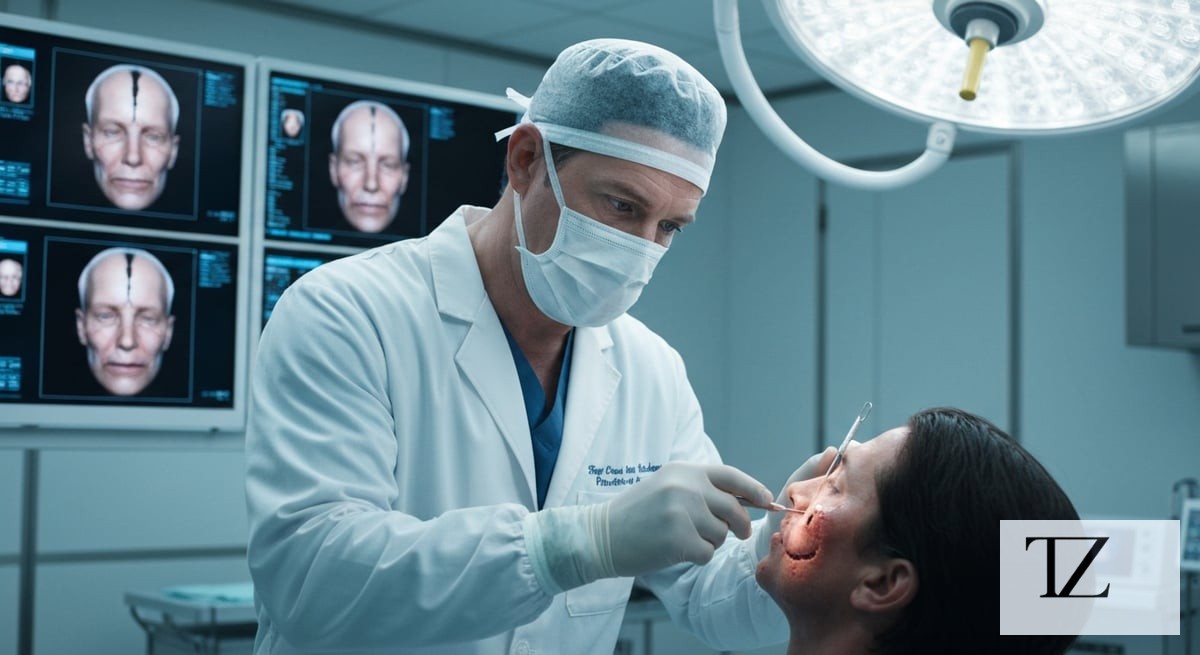
A board-certified plastic surgeon in full sterile gear examines a patient's facial injury in a moder

Types and Severity of Facial Injuries: From Fractures to Burns and Scars

Facial trauma encompasses a broad spectrum of injuries, each with distinct challenges for repair and recovery. The most common include:

  • Facial Bone Fractures: Fractures of the jaw, cheekbones, nose, and eye sockets can cause deformity and functional impairment. Accurate alignment and fixation are critical to restore both appearance and oral function. In complex fractures, such as comminuted or orbital blowout fractures, advanced imaging—like CT scans—help guide the restoration process and prevent ongoing complications such as double vision or malocclusion. Plates, screws, or wires may be used to stabilize bones.
  • Soft Tissue Injuries: Lacerations, contusions, and deep tissue damage may require layered closure to minimize scarring and optimize healing. Large or irregular wounds often necessitate precise reconstruction of facial features such as the lips, eyelids, or nose, which can be particularly challenging due to the need for both function and cosmetic symmetry.
  • Burns and Scars: Thermal and chemical burns can result in complex wounds, pigment changes, and significant facial scarring. Plastic surgery for burns and plastic surgery for scars are highly specialized areas that address both function and aesthetics, using advanced techniques like grafting, flap reconstruction, and laser therapy. Burns may also require escharotomy or specialized wound care to prevent contracture that can limit facial movement, especially around the eyes or mouth.
  • Nerve and Vascular Injury: Damage to facial nerves or blood vessels may compromise movement, sensation, or tissue viability, requiring microsurgical repair or further specialized intervention. For instance, injury to the facial nerve can impair the ability to smile or close the eye, necessitating precise repair to restore expression and protect vision. Loss of blood flow can lead to tissue necrosis, which may influence reconstructive options.

The severity of facial trauma is determined by the structures involved, degree of displacement or tissue loss, and associated injuries. Early assessment by a board-certified plastic surgeon promotes evidence-based planning and prioritizes safety, function, and appearance. In severe trauma cases, multidisciplinary collaboration—sometimes including ENT surgeons, ophthalmologists, oral maxillofacial surgeons, and physical therapists—is often needed to address the diverse impacts of facial injuries effectively.

Reconstructive Surgery: Techniques and Staged Approaches in Facial Trauma

Reconstructive surgery after facial trauma requires a blend of scientific precision and artistic judgment. Dr. Zaydon, MD, FACS, brings over two decades of surgical experience, advanced training, and consistent success in managing injuries ranging from minor lacerations to complex composite defects. Each case is individualized, using a staged approach if necessary:

  • Immediate Wound Care: Meticulous cleaning, infection prevention, and alignment of tissues are the foundational steps immediately after injury. In cases where contamination is significant, such as road traffic accidents, special attention is given to debridement and antibiotic coverage to reduce the risk of infection or delayed healing. Temporary dressings or negative pressure therapy may be used to stabilize wounds until definitive surgery can be performed.
  • Skeletal Realignment: For bone fractures, techniques such as open reduction and internal fixation restore stability and facial symmetry with minimal visible scarring. Custom plates and screws may be contoured to fit individual anatomy for better cosmetic results, and absorbable materials are sometimes used for pediatric patients to avoid long-term hardware. In certain situations, computer-guided planning and intraoperative navigation improve accuracy for complex reconstructions.
  • Soft Tissue Repair: Precise closure of lacerations and soft tissue defects can minimize the risk of visible scarring. In some cases, tissue grafts or local flaps provide additional volume or skin coverage. For example, nasal or eyelid injuries may require local rotating flaps for both form and function; composite grafts may be necessary when there is loss of cartilage and skin.
  • Burn and Scar Revision: Procedures for plastic surgery for burns and plastic surgery for scars include skin grafting, dermabrasion, injectable fillers, or laser therapy to improve both feel and appearance. Keloid or hypertrophic scars, common in some patients, might need steroid injections or silicone therapy before considering surgical excision, and close follow-up is essential to monitor for recurrence.
  • Staged Reconstruction: Complex or extensive injuries may require multiple surgeries over time, focusing first on restoration of critical function, then on aesthetic refinement. For instance, a patient with extensive facial burns may first receive grafts to cover wounds and later undergo tissue expansion or fat grafting to improve contour and skin quality. Revision procedures may be timed to coincide with maturation of scars or stabilization of bony structures.

This comprehensive surgical approach is always tailored to the individual's medical needs, cosmetic goals, and lifestyle, ensuring safety and satisfaction at every stage. Patients are routinely involved in shared decision-making, and photographic documentation helps both patient and surgeon track progress and establish realistic expectations. The use of modern technology, such as 3D modeling or virtual surgical planning, can further personalize and improve reconstructive outcomes, especially in cases of severe deformity or asymmetry.

A calm, well-appointed Miami clinic consult room where a middle-aged patient and a board-certified p

Patient Experience: Consultation, Recovery, and Support

The journey toward recovery after facial trauma is highly personal, with each patient's experience shaped by the severity of injury, unique anatomy, and emotional response. From initial consultation through long-term follow-up, Dr. Zaydon emphasizes a compassionate, results-driven approach. Comprehensive assessments using advanced imaging and careful medical record review services ensure accurate diagnosis and meticulous planning.

Post-operative care focuses on comfort, wound healing, and minimizing complications. Patients receive guidance on wound management, scar therapy, and activity modification to support optimal recovery. In select cases, additional support such as psychological counseling or physical therapy may enhance the healing process and address changes in self-image.

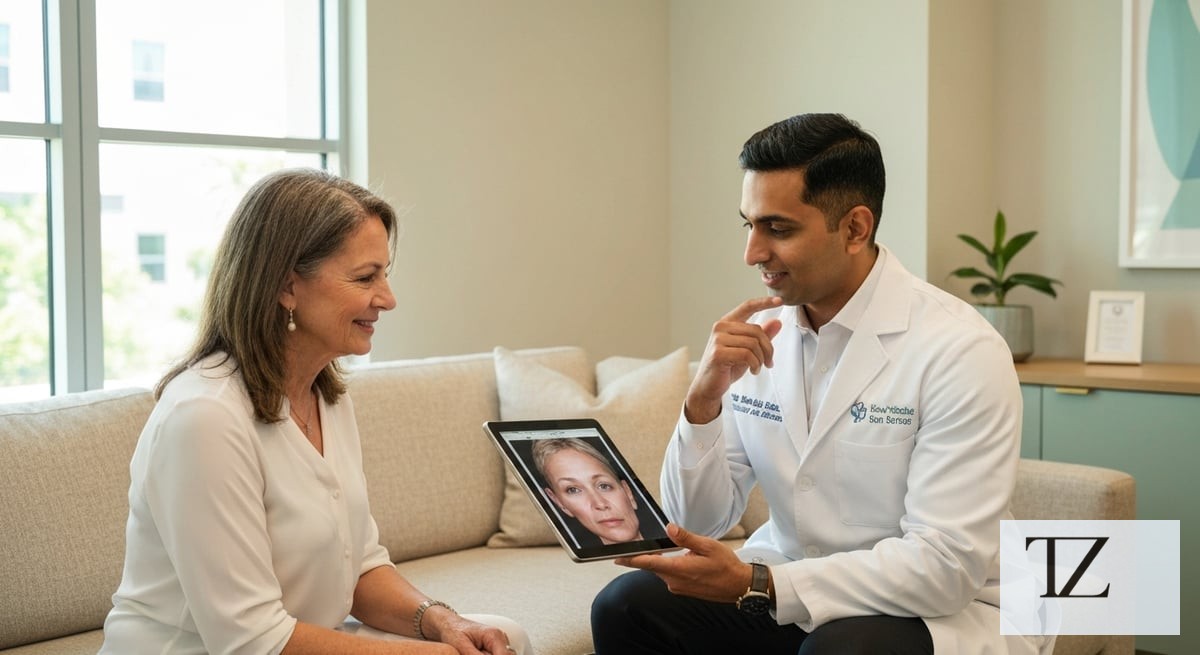
  • Personalized Consultation: Every treatment plan is developed in close collaboration with the patient, setting realistic expectations and explaining both risks and benefits. The consultation may involve digital imaging to preview potential surgical outcomes, which aids in informed consent and sets the stage for shared surgical planning.
  • Transparent Communication: Questions regarding healing, anticipated outcomes, and timeline for return to work or normal activities are addressed with honesty and empathy. Patients are encouraged to discuss their goals and concerns, and all steps of recovery are explained in accessible language, including potential risks, expected sensations during healing, and recommendations for minimizing swelling or bruising.
  • Follow-Up Care: Routine check-ins allow for early identification of any healing challenges and prompt management should complications arise. Suture removal, wound inspection, and scar assessments are performed at intervals tailored to the individual’s healing trajectory. Some patients may need long-term follow-up when functional deficits persist or revisions are planned.

This patient-centered model has established Dr. Zaydon as a trusted choice for reconstructive surgery in South Florida, consistently prioritizing safety, precision, and patient satisfaction. Testimonials often highlight timely accessibility for urgent cases, as well as the comprehensive explanations and empathy shown to both patients and their families. Community resources, including support groups and educational materials, are frequently recommended to help patients adjust to changes and build confidence during rehabilitation.

Legal Considerations and the Role of the Plastic Surgery Expert Witness

Legal and insurance aspects often follow facial trauma, especially when injuries are related to accidents at work, vehicular collisions, or public spaces. Accurate documentation, unbiased assessment, and evidence-based testimony are essential in these situations. As a Plastic Surgery Expert Witness and expert medical advisor, Dr. Zaydon provides objective evaluations that assist attorneys, insurers, and the courts in understanding injury mechanisms, prognosis, and requirements for future care.

  • Medical Record Review Services: Detailed review of medical records and imaging is a foundational step in determining causation, extent of injury, and necessary treatment. Expert analysis may uncover previously missed injuries or clarify the sequence of events leading to trauma, which is particularly relevant when determining liability or refuting prior claims.
  • Independent Medical Evaluations (IME): These evaluations establish the current status and long-term prognosis, guiding insurers and legal proceedings regarding compensation and ongoing care. They also provide documentation of maximum medical improvement (MMI) and may include objective rating of permanent impairment according to established guidelines.
  • Testimony and Legal Reports: Expert opinions are often required for workers' compensation claims, personal injury lawsuits, and insurance disputes, specifically in Miami, South Florida, and beyond. Dr. Zaydon’s legal reports summarize injury mechanisms, causation, and the necessity of proposed treatments, while his deposition and trial testimony translate medical complexity into language accessible to judges and juries.

The dual clinical-legal expertise provided by a board-certified plastic surgeon ensures fair, credible, and scientifically sound input into legal matters and case resolution. Thorough documentation of injuries—including photographic records pre- and post-surgery—can be crucial for substantiating claims and defending against disputes. An experienced expert witness can also anticipate and address challenges related to pre-existing conditions, potential for recovery, and the qualifications of other expert opinions presented in a case.

Take the Next Step Toward Recovery and Clarity

Facial trauma from accidents requires both advanced surgical expertise and a thorough understanding of the medical-legal landscape. As a Miami-based, board-certified plastic surgeon and trusted Plastic Surgery Expert Witness, Dr. Zaydon combines 20+ years of experience with patient-centered care and professional integrity.

For patients, families, and legal professionals in South Florida, early consultation is key to restoring function, appearance, and peace of mind. Contact Dr. Zaydon today for confidential expert evaluation, comprehensive reconstructive planning, or an evidence-based legal opinion.

Disclaimer: This article is intended for educational purposes only and does not constitute specific medical advice or a guarantee of results. Individual needs vary; please consult Dr. Zaydon directly for personalized recommendations.

Common Questions

What are common causes of facial trauma that require reconstructive surgery?

Motor vehicle accidents, falls, sports injuries, physical assaults, and work-related incidents are among the most frequent causes. Each type may result in different patterns of facial fractures, lacerations, burns, or scarring.

What does the reconstructive surgery process involve after facial trauma?

It may include immediate wound care, realignment of bones, precise soft tissue repair, and specialized scar or burn treatment. Complex cases often require multiple procedures and multidisciplinary follow-up.

How can plastic surgery help improve scars after facial trauma?

Plastic surgery for scars incorporates a variety of treatments including surgical excision, dermabrasion, laser therapy, and injectable fillers. The appropriate approach is tailored to the individual and aims to reduce scar visibility and improve facial harmony.

When is a plastic surgery expert witness needed in legal cases involving facial injuries?

A plastic surgery expert witness may be needed when there is dispute over injury severity, causation, permanency, or future medical needs. Their objective assessments support legal proceedings, insurance claims, and settlements.

Will insurance cover reconstructive plastic surgery after an accident?

Many insurance policies recognize reconstructive surgery as medically necessary following trauma, but coverage varies. It is important to consult both your provider and your surgeon's office for accurate guidance.

This article was created with the help of AI. Images may also be AI-generated.
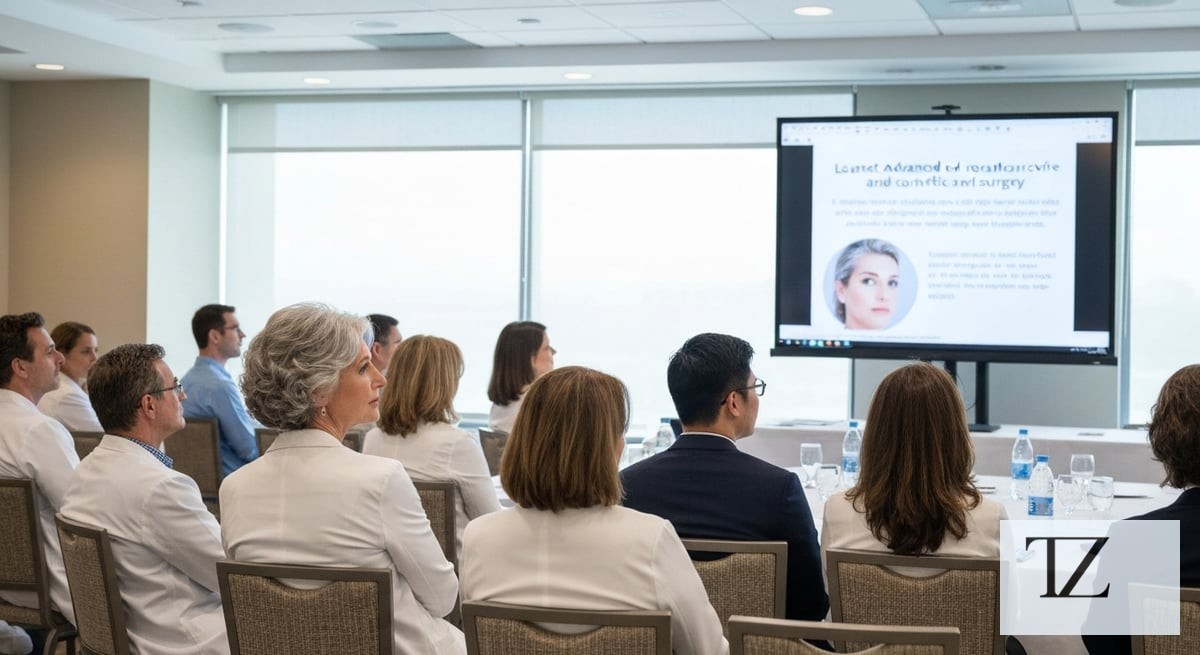
Staying Current: Recent Advances Shared in Plastic Surgery CME

Introduction: Why Staying Current Matters in Plastic Surgery

In the dynamic field of plastic and reconstructive surgery, continuous medical education (CME) ensures that surgeons remain at the forefront of innovation. For patients seeking procedures in Miami, South Florida, and nearby areas, selecting a surgeon who actively engages in CME means accessing the safest, most effective techniques in cosmetic enhancement as well as reconstructive procedures, including plastic surgery for burns and plastic surgery for scars. Dr. Zaydon, a board-certified plastic surgeon and recognized Plastic Surgery Expert Witness, exemplifies the commitment to CME that leads to trustworthy, precise results and the highest standard of patient care. Whether you are seeking aesthetic procedures or expert medical advisor services for legal and insurance matters, staying current in practice is essential for optimal outcomes.

A conference room filled with board-certified plastic surgeons in Miami, attentively engaged in a CM

Defining CME and Its Crucial Role in Plastic Surgery Practice

Continuing Medical Education (CME) is the ongoing process through which board-certified plastic surgeons maintain, develop, and enhance their knowledge and skills. CME goes beyond routine learning: it includes specialized courses, hands-on workshops, medical conferences, and the latest research relevant to procedures such as rhinoplasty (nose reshaping), abdominoplasty (tummy tuck), breast reconstruction, and scar revision.

Engagement in CME allows plastic surgeons to offer patients access to the most advanced surgical and non-surgical treatments. In Miami, CME delivers information on technologies proven beneficial for both cosmetic transformations and complex medical interventions such as reconstructive surgery after trauma or burns. Board-certified experts, like Dr. Zaydon, routinely participate in CME to stay ahead of evolving best practices, maintaining memberships in societies such as ASPS and ASAPS and upholding credentials validated by organizations like ABPS and FACS.

By prioritizing CME, plastic surgeons ensure that procedures are grounded in the most up-to-date evidence, supporting successful recoveries and minimizing complications. For example, CME updates might include learning about emerging safety protocols in anesthesia use for extensive reconstructive surgeries, or the integration of new imaging systems that enhance preoperative planning—a shift that can affect everything from patient consultation to the actual surgical outcome. Participation in international symposia and exposure to advancements from across the globe further broadens the expertise brought to local Miami practices. Additionally, CME often incorporates ethics, practice management, and patient communication sessions, emphasizing the holistic benefits of ongoing education in patient care and procedural safety.

Recent Advances in Plastic and Reconstructive Surgery Highlighted in CME

CME courses share the most relevant advancements that improve patient safety, function, and aesthetics. Technological innovations in plastic surgery—such as laser skin resurfacing, minimally invasive scar revision, and fat grafting—are common subjects of CME seminars in Miami. Surgery for acute traumas as well as long-term reconstructive needs following burns or accidents is an area where CME updates drastically improve outcomes. These include modern wound healing techniques, novel burn care protocols, and refined approaches to hands-on reconstructive surgery.

  • Plastic Surgery for Burns: CME coursework keeps burn surgeons current on wound care, grafting materials, and reconstructive techniques that help restore form and function after significant injury. For instance, modern skin substitutes and bioengineered grafts now offer options for patients who lack sufficient donor sites, and CME sessions often feature live demonstrations of such applications. Advanced topical agents and dressings, frequently discussed in recent conferences, reduce healing time and infection rates. Read more on Dr. Zaydon’s approach to burns.
  • Plastic Surgery for Scars: Ongoing education covers innovative scar assessment tools, laser therapies, microneedling, and biologics to enhance both cosmetic and functional results for patients with visible scarring. CME modules share outcomes of clinical trials for products like silicone elastomer sheets, and include hands-on labs where physicians practice fractional laser resurfacing—a technique that has shown promising results in softening hypertrophic and keloid scars with minimal downtime.
  • Cosmetic Advances: Advances in facial volumization, body contouring, and less-invasive lifting techniques empower Miami’s patients to benefit from safer procedures and more natural outcomes. CME also introduces practitioners to new injectable fillers and neurotoxins, with instruction on proper anatomical placement to ensure lasting and subtle improvements. Faculty often discuss the latest in radiofrequency and ultrasound-based tightening devices, which now allow for additional, less invasive facial and body rejuvenation options.
  • Reconstructive Surgery: Modern CME highlights rapid prototyping and 3D printing for custom implants, refining breast reconstruction post-mastectomy, and tissue engineering for complex cases. Workshops may involve simulated surgical planning using digital models, while lectures address innovations in flap design and microvascular techniques. For breast cancer survivors, CME promotes the use of fat grafting to correct contour irregularities post-reconstruction, as well as the role of emerging acellular dermal matrices in achieving more natural breast shapes.

Dr. Zaydon applies these evolving standards in both surgical and medical-legal settings, reinforcing his effectiveness as a trusted Plastic Surgery Expert Witness. His commitment to frequent attendance at regional and national CME events allows him to confidently implement the safest, newest modalities and offer patients in South Florida options that are both state-of-the-art and evidence-based.

How Expert Witnesses and Legal Professionals Benefit from Plastic Surgery CME

Recent advances in plastic surgery CME are not only crucial for patient safety, but also significantly impact the accuracy and credibility of expert medical testimony in legal settings. Plastic Surgery Expert Witnesses must remain current with the latest procedural standards, complication management, and outcome assessment tools when evaluating complex cases. Dr. Zaydon’s extensive CME participation and national lecture experience ensure his Medical Record Review Services and opinions as an expert medical advisor are credible and reflect the most up-to-date medical consensus.

Insurance adjusters, attorneys, and legal professionals in Miami, Coral Gables, and across South Florida are increasingly seeking expert witnesses whose clinical experience and knowledge are continuously updated. Comprehensive CME engagement is now recognized as a hallmark of an expert who can deliver nuanced, evidence-based analysis, particularly in reconstructive and workers' compensation scenarios involving burns, trauma, or surgical scars.

For example, CME ensures that an expert witness can speak knowledgeably to the latest FDA warnings and product recalls, changes in accepted surgical algorithms, or new criteria for defining medical malpractice in the context of reconstructive outcomes. Case reviews often hinge on the ability to reference landmark studies introduced through CME, or to apply novel diagnostic tools—such as 3D scar imaging or advanced wound biomechanics assessments—to clarify causation or prognosis. This level of insight is essential in malpractice litigation, insurance appeals, and disability determinations, benefiting not only the patients and clients involved but elevating the standard for expert testimony across the board. Legal professionals also rely on CME-backed experts like Dr. Zaydon to demystify complex medical facts in court or settlement proceedings, often making the difference in the outcome of high-stakes cases.

A Miami-based plastic surgeon discussing state-of-the-art surgical methods with a diverse group of p

Practical Takeaways for Patients and Professionals: What to Ask When Choosing a Plastic Surgeon

Understanding a surgeon’s CME history allows patients and referring professionals to make informed choices. When seeking cosmetic or reconstructive surgery in Miami, consider asking:

  • Does the surgeon consistently participate in recent CME workshops and conferences?
  • Is the practice equipped with technologies reflecting up-to-date medical research?
  • How does the surgeon approach complex cases such as plastic surgery for burns, scars, or reconstructive needs after work injuries?
  • Is the surgeon recognized for providing expert witness services backed by current standards?

Patients benefit when their surgeon uses advanced techniques for body contouring, facial rejuvenation, or trauma-related reconstruction. Legal professionals and insurers are best served by advisors whose CME-backed expertise ensures every case review meets the latest medical and legal benchmarks. Review Dr. Zaydon’s credentials and recognitions prior to consultation, and view before-and-after galleries to understand real-world outcomes.

Additionally, patients can request information on specific CME-related skills, such as proficiency with novel wound care products or experience implementing the latest reconstructive protocols following severe workplace injuries. Some surgeons may even offer educational materials or case study portfolios demonstrating recent CME applications. Beyond reviewing case outcomes, inquiring about involvement in teaching, lecturing, or mentorship related to CME illustrates a deeper commitment to ongoing education. For referring professionals, understanding a surgeon's most recent CME topics—whether focused on advancing minimally invasive techniques, implant safety, or postoperative complication reduction—can guide referral decisions and improve interdisciplinary collaboration for complex patient scenarios. Ultimately, confirming a surgeon's ongoing educational engagement reassures both patients and professionals that care will align with the highest standards embraced by the specialty nationwide.

Conclusion: The Lifelong Value of CME for Safer, More Advanced Plastic Surgery

The rapid evolution of plastic surgery demands a lifelong commitment to continued education. Dr. Zaydon’s active participation in CME, extensive surgical experience, and respected role as a Plastic Surgery Expert Witness ensure patients and legal professionals receive care and opinions grounded in the latest evidence and the most effective current techniques. For those in Miami and surrounding areas seeking cosmetic or reconstructive surgery, or requiring Medical Record Review Services, prioritizing a surgeon’s continuing education is essential for optimal, safe, and aesthetically pleasing results.

Medical Disclaimer: This article is for educational purposes only and does not substitute for a formal evaluation or individualized medical advice. Outcomes of cosmetic and reconstructive procedures vary by patient. To discuss your specific needs, schedule a confidential consultation with Dr. Zaydon by calling (305) 856-3030 or by requesting an appointment online.

Common Questions

What is plastic surgery CME and why is it important?

Plastic surgery continuing medical education (CME) involves specialized educational activities that keep surgeons up to date with the latest advances, safety protocols, techniques, and technologies, ensuring optimal patient outcomes in both cosmetic and reconstructive cases.

How do recent advances shared in CME affect patient care in Miami?

CME ensures Miami plastic surgeons implement cutting-edge techniques for safer procedures, quicker recoveries, and improved results, especially in plastic surgery for burns, scars, and complex reconstructive needs.

Why should legal and insurance professionals verify a plastic surgeon’s CME participation?

A surgeon actively engaged in CME can provide more credible testimony for medical-legal cases, ensuring expert witness analysis is based on the latest accepted standards and research.

What recent innovations are most relevant in current CME courses?

Innovations include minimally invasive surgery, advanced burn care, laser scar treatments, 3D printing for reconstructive surgery, and tissue engineering—all now frequent topics in CME for surgeons and medical advisors.

How can patients confirm a plastic surgeon is staying current with education and skills?

Patients can ask about recent CME activities, view professional society memberships, and request to see certifications or participation in recognized training sessions completed by the surgeon.

This article was created with the help of AI. Images may also be AI-generated.
Advancing Burn Scar Treatment with CO2 Laser: Expertise, Outcomes, and Your Next Step

Photo-realistic image showing a skilled plastic surgeon performing CO2 laser treatment on an adult p

Revolutionizing Burn Scar Treatment: CO2 Laser at the Forefront

Burn scars can affect not only the appearance but also the confidence and quality of life for adults living with trauma, scarring, or work-related injuries. For those pursuing aesthetic enhancements or reconstructive solutions, understanding the most advanced options is essential. The CO2 (carbon dioxide) laser represents a major breakthrough, offering remarkable improvements in texture, flexibility, and pigmentation of burn scars within a safe, highly controlled medical setting.

Led by Dr. Thomas Zaydon, MD, FACS, a board-certified plastic surgeon in Miami, our practice emphasizes safety, individualized care, and exceptional outcomes. With more than twenty years of experience and leadership in plastic surgery for burns, reconstructive surgery, and cosmetic procedures, Dr. Zaydon delivers uncompromising quality for every patient. This article will guide you through the science, benefits, and practical expectations of CO2 laser treatment for burn scars—empowering your cosmetic or legal decisions with clarity and confidence.

CO2 Laser: How It Works and What Sets It Apart

CO2 laser resurfacing is a precision-guided technique that vaporizes damaged scar tissue layer by layer, stimulating healthy skin regeneration. This state-of-the-art approach provides significant improvements in both new and longstanding scars by:

  • Reducing thickness and hardness of raised burn scars
  • Smoothing irregular surfaces and blending discoloration
  • Enhancing skin elasticity, allowing for freer movement
  • Minimizing itching, pain, and sensitivity often associated with mature scars

Dr. Zaydon tailors the procedure intensity and depth to each individual scar, combining extensive experience with customized planning for optimal safety and comfort. Unlike conventional dermabrasion or superficial lasers, the CO2 laser has the power to reach deeper tissue layers, making it an excellent solution not just for burn scars but also for complex scarring from trauma, plastic surgery for dog bites, and major reconstructive needs.

Our Miami facility employs rigorous protocols and the latest technology to ensure your treatment is as safe and effective as possible, with a commitment to privacy and empathy at every step.

Detailed, welcoming consultation scene between a plastic surgeon and an adult patient, focusing on t

Personalized Care and Proven Outcomes: Why Experience Matters

When choosing a plastic surgeon for burn scar revision, expertise is fundamental. Dr. Zaydon is board-certified by the American Board of Plastic Surgery (ABPS), a Fellow of the American College of Surgeons (FACS), and a distinguished member of top medical associations (ASPS, ASAPS, ACS). His career includes leadership roles, numerous teaching appointments, and recognition from US News Patient Top Choice and Humana’s four-heart rating—solidifying his reputation for excellence in Miami and beyond.

Your journey begins with an in-depth consultation, where expectations, benefits, and risks are openly discussed. Dr. Zaydon’s comprehensive approach includes pre-treatment planning, meticulous technique, and dedicated aftercare, supporting your recovery and maximizing results. For each patient—whether interested in cosmetic improvements, body contouring, or addressing scars from physical trauma—the goal is the same: safe, aesthetically pleasing, and lasting outcomes.

Explore our homepage for before-and-after galleries, patient experiences, and practice credentials, or review our extensive expertise in plastic surgery for burns and related procedures.

Integrating CO2 Laser into Reconstructive and Legal Care

CO2 laser technology is not only a cornerstone of aesthetic improvement—it is increasingly vital in comprehensive reconstructive strategies and medico-legal cases. Dr. Zaydon’s dual expertise as a Plastic Surgery Expert Witness benefits attorneys, insurers, and patients seeking clarity in workers’ compensation or injury litigation. He provides objective medical record review services, expert testimony on causation and prognosis, and impartial assessments for settlement negotiation or trial.

For adults affected by work injuries, severe burns, or dog bites, the combined medical and legal guidance Dr. Zaydon offers ensures all aspects of care—from surgical intervention to documentation—meet the highest standards for safety, ethics, and outcome reporting. Integrating CO2 laser treatment into reconstructive protocols can support not only physical recovery but also case management and claims resolution.

This comprehensive perspective distinguishes Dr. Zaydon from other practices in Miami and South Florida, making him a trusted partner for patients and professionals who value experience, transparency, and results.

Safety, Comfort, and Setting Realistic Expectations

Patient safety and comfort are always the top priority. CO2 laser procedures are performed in accredited Miami facilities, using local or light sedation depending on the extent of treatment and patient preference. While discomfort is generally mild to moderate, most patients tolerate the session well and resume daily activities within several days to a week.

  • Minor redness, swelling, and peeling are typical as the old scar tissue sheds and healthier skin emerges
  • Multiple sessions may be required for optimal results, especially in longstanding or complex scars
  • Results are progressive—maximum improvement is usually seen several months after the final procedure

Dr. Zaydon ensures every patient receives clear pre- and post-care instructions. He encourages open communication so concerns about healing, activity, and expectations are thoroughly addressed in a confidential, supportive environment. Please remember: while CO2 laser can yield dramatic enhancements, no procedure can erase a scar completely. The objective is meaningful improvement tailored to your unique goals.

For more information about our multi-step approach or to explore additional services such as plastic surgery for scars, body contouring, or facial rejuvenation, we invite you to reach out directly.

Take the Next Step: Your Confidential Consultation with Dr. Zaydon

If you are considering CO2 laser for burn scar revision, choosing a surgeon with proven expertise is paramount. Dr. Zaydon welcomes adults seeking cosmetic improvement, reconstructive care, or expert guidance in legal and insurance matters. Our Miami plastic surgery practice prioritizes your privacy, comfort, and long-term satisfaction in every procedure.

Begin your journey toward restored confidence and function—schedule a personalized consultation with Dr. Zaydon today, or call our office at (305) 856-3030. For attorney inquiries, please visit our Plastic Surgery Expert Witness page for more details on expert testimony and medical record review services.

Disclaimer: This article is for informational purposes and does not constitute medical advice. Results and patient experiences vary. Please consult Dr. Zaydon directly for personalized recommendations.

Common Questions About Burn Scar Treatment with CO2 Laser

Is CO2 laser treatment safe for all skin types?

CO2 laser is effective for many skin types, but requires careful evaluation for darker skin to minimize risk of pigment changes. Dr. Zaydon customizes treatment to your unique needs.

How long is the downtime after a CO2 laser session?

Most patients experience redness and swelling for several days. You may return to light activities within a week, with full recovery typically in 10-14 days.

Will I need multiple CO2 laser treatments for my burn scar?

Many scars benefit from more than one session, spaced several weeks apart. Dr. Zaydon will provide a personalized plan based on your scar’s depth, age, and location.

Does CO2 laser remove scars completely?

No treatment can completely erase scars. However, CO2 laser dramatically improves appearance, texture, and function in most patients, resulting in meaningful visible change.

Can CO2 laser be used for scars from dog bites or work injuries?

Yes, CO2 laser is suitable for a broad range of scars, including those from dog bites, burns, and workplace accidents. Book a consultation to see if you are a candidate.

This article was created with the help of AI. Images may also be AI-generated.
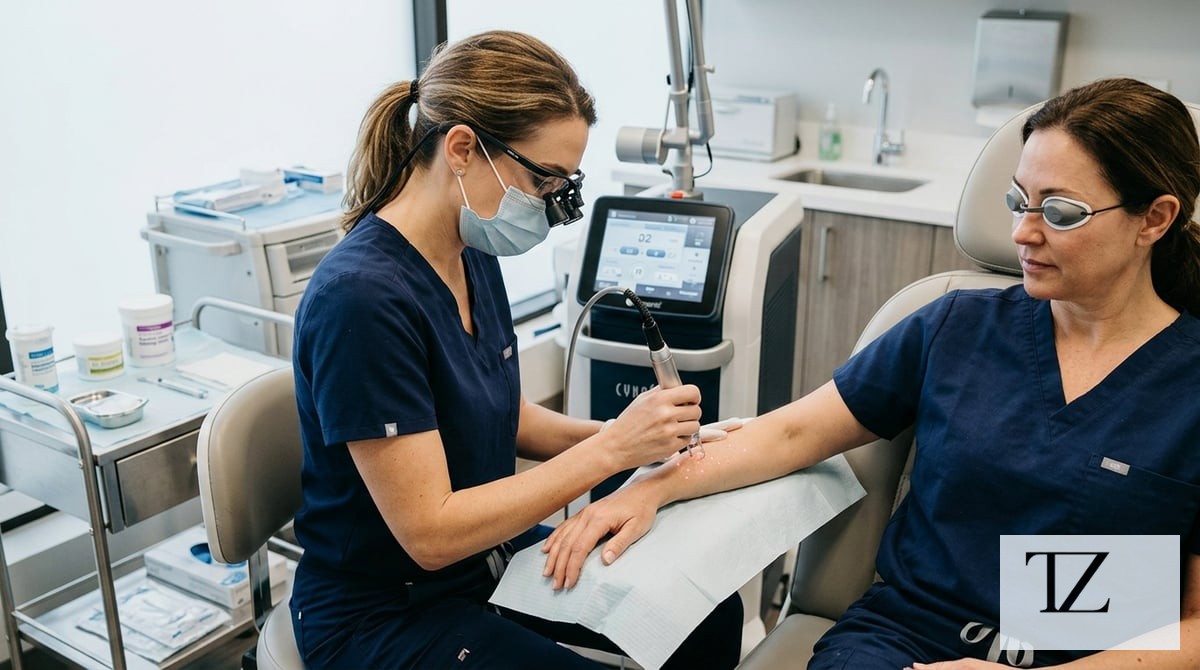
Vetting a Plastic Surgery Burn Reconstruction Expert Witness

Expert Witness Guide · Burn Reconstruction: Vetting a Plastic Surgery Burn Reconstruction Expert Witness A Guide for Attorneys

Burn injury litigation involves complex medical issues and profound long-term consequences for all parties involved. Whether representing a plaintiff seeking fair compensation or a defendant evaluating the scope of alleged damages, selecting the right plastic-surgery burn-reconstruction expert witness is essential. The right expert brings credibility, objectivity, and clinical depth to the courtroom while providing clear, evidence-based medical analysis.

Key Qualifications to Evaluate

When vetting a burn reconstruction expert, attorneys should confirm the following:

•        Board certification in plastic surgery from the American Board of Plastic Surgery

•        Residency training and advanced experience in reconstructive surgery and burn injury management

•        Active membership in recognized organizations such as the American Burn Association

•        Substantial clinical experience with scar revision, contracture release, and skin graft procedures

•        Familiarity with the full continuum of burn care — from acute stabilization through long-term rehabilitation

Courtroom Effectiveness Matters

Medical expertise is only valuable if it can be communicated clearly. Whether assisting plaintiff counsel in explaining the medical impact of severe burns or helping defense counsel evaluate the appropriateness of treatment decisions, the expert must explain complex surgical procedures in plain language.

Jurors and judges are not surgeons. A qualified expert must translate complicated medical concepts into understandable testimony, present objective opinions with confidence, and remain composed under cross-examination. Clear and balanced communication strengthens the expert's credibility and the reliability of the testimony.

About Dr. Thomas J. Zaydon

Dr. Thomas J. Zaydon brings more than 20 years of plastic surgery experience to expert witness consultation. He earned his medical degree from Drexel University College of Medicine with special honors and served as chief resident in plastic surgery at Louisiana State University.

Currently practicing at the Plastic Surgery Institute of Miami, Dr. Zaydon is certified by the American Board of Plastic Surgery, is a Fellow of the American College of Surgeons, and maintains active membership in both the American Society of Plastic Surgeons and the American Burn Association.

Dr. Zaydon's nationwide experience reviewing medical liability cases enables him to provide objective medical analysis for both plaintiff and defense counsel.

Why Expert Testimony Is Indispensable

Severe burn injuries often involve long-term medical considerations, including permanent scarring, functional limitations, multiple reconstructive procedures, and extended rehabilitation.

For plaintiff attorneys, expert testimony can help the court understand the full scope of medical treatment, long-term reconstructive needs, and the potential impact of burn injuries on a patient's quality of life.

For defense attorneys, expert analysis can evaluate whether the medical care provided met accepted standards, whether additional procedures are medically necessary, and whether projected future costs are supported by clinical evidence.

Frequently Asked Questions

What does a burn reconstruction expert witness do?

A burn reconstruction expert reviews medical records, evaluates surgical and treatment decisions, and provides professional opinions on burn care standards, reconstructive procedures, and a patient's long-term medical needs.

Can a burn reconstruction expert witness serve both plaintiff and defense cases?

Yes. A qualified expert provides objective, evidence-based opinions regardless of which side retains them. Their role is to evaluate the medical facts and provide professional analysis to help the court understand complex medical issues.

Why is a plastic surgeon important in burn injury cases?

Plastic surgeons specialize in the reconstructive procedures often required after severe burns. Their expertise helps courts understand both the treatment performed and the medical necessity of potential future reconstructive procedures.

What qualifications should a burn reconstruction expert witness have?

A qualified expert should hold board certification in plastic surgery, have extensive clinical experience treating burn injuries, and maintain active membership in recognized professional surgical organizations such as the American Burn Association.

How does expert testimony support burn injury litigation?

Expert testimony explains complex medical procedures and assesses whether the standard of care was met. Plaintiff attorneys may rely on this testimony to establish the medical impact and future treatment needs. Defense attorneys may use expert analysis to assess the appropriateness of care and the medical support for claimed damages.

Burn Reconstruction Challenges: Insights from Trauma Cases

Burn injuries can be among the most devastating forms of trauma, affecting not only the skin but also underlying tissues, mobility, and quality of life. Severe burns often require specialized reconstruction procedures to restore appearance, function, and overall well-being. Managing these injuries presents unique challenges that demand expertise, precision, and a multidisciplinary approach.

At Dr. Zaydon’s Plastic Surgery Institute of Miami, patients in South Florida have access to world-class care for burn reconstruction Miami, FL. Dr. Zaydon is a board-certified plastic surgeon and a recognized plastic surgery burns expert witness, bringing over two decades of experience in both surgical treatment and expert consultation to his patients. His approach combines advanced surgical techniques, evidence-informed strategies, and compassionate care to achieve the best functional and aesthetic outcomes for burn trauma patients.

Understanding Burn Reconstruction

Burn reconstruction is focused not only on improving appearance but also on restoring skin integrity, soft tissue coverage, and function. Burns are categorized based on depth and severity:

Facial burns, burns over joints, and injuries affecting functional areas are particularly complex because they require careful attention to both function and appearance.

Challenges in Burn Reconstruction

  1. Tissue Loss and Scar Formation
    Extensive burns can make tissue coverage difficult, and scar contractures may limit mobility. Skilled reconstruction requires careful planning with grafts, flaps, and staged procedures.
  2. Functional Restoration
    Burns over joints or mobile areas can lead to stiffness and reduced range of motion. Reconstruction must restore both movement and form.
  3. Risk of Infection
    Burned tissue is highly susceptible to infection, which can compromise healing. Close monitoring and meticulous surgical technique are essential.
  4. Multiple Procedures and Long-Term Care
    Severe burns may require a series of surgeries, including grafts, flaps, and scar revisions, alongside ongoing rehabilitation and physical therapy.
  5. Emotional and Psychological Impact
    Burn trauma can significantly affect emotional well-being. Comprehensive care often includes counseling and support to help patients adjust to changes in appearance and function.

Surgical Approaches in Burn Reconstruction

Dr. Zaydon utilizes a range of advanced surgical techniques tailored to each patient:

Every procedure is personalized, ensuring that both cosmetic and functional outcomes are maximized while minimizing complications.

About Dr. Thomas J. Zaydon

Dr. Thomas J. Zaydon is the founder of the Plastic Surgery Institute of Miami and a global leader in plastic and reconstructive surgery. With over 20 years of experience, he has earned recognition as a plastic surgery burns expert witness, reviewing complex cases nationwide with unmatched expertise and judgment.

Dr. Zaydon offers a full spectrum of cosmetic and reconstructive care, including plastic surgery consultations, independent medical examinations, peer reviews, workers’ compensation evaluations, and advanced surgical procedures. He earned his medical degree from Drexel University, graduated with special honors, and served as Chief Resident in Plastic Surgery at Louisiana State University. He has authored numerous publications in plastic surgery and currently serves as Chief of Plastic Surgery at Mercy Hospital in Miami, Florida.

His approach combines technical precision, evidence-informed strategies, and a patient-centered philosophy, ensuring every patient receives care tailored to their unique needs, particularly in complex burn reconstruction cases.

Frequently Asked Questions

What determines the timing of burn reconstruction surgery?
The timing depends on burn severity, wound healing, and patient health. Some cases require staged procedures over weeks or months.

Can burn reconstruction restore both function and appearance?
Yes. Skilled surgeons like Dr. Zaydon focus on restoring mobility, reducing contractures, and improving cosmetic outcomes simultaneously.

How long does recovery take after major burn reconstruction?
Recovery varies depending on the severity and type of procedures but often requires weeks to months, including rehabilitation.

Are multiple surgeries often needed for severe burns?
Yes. Extensive burns may require staged procedures, including grafts, flaps, and scar revisions, to achieve optimal outcomes.

Do patients receive psychological support during recovery?
Comprehensive care includes emotional and psychological support to help patients adjust to changes in appearance and function.